 Cart is empty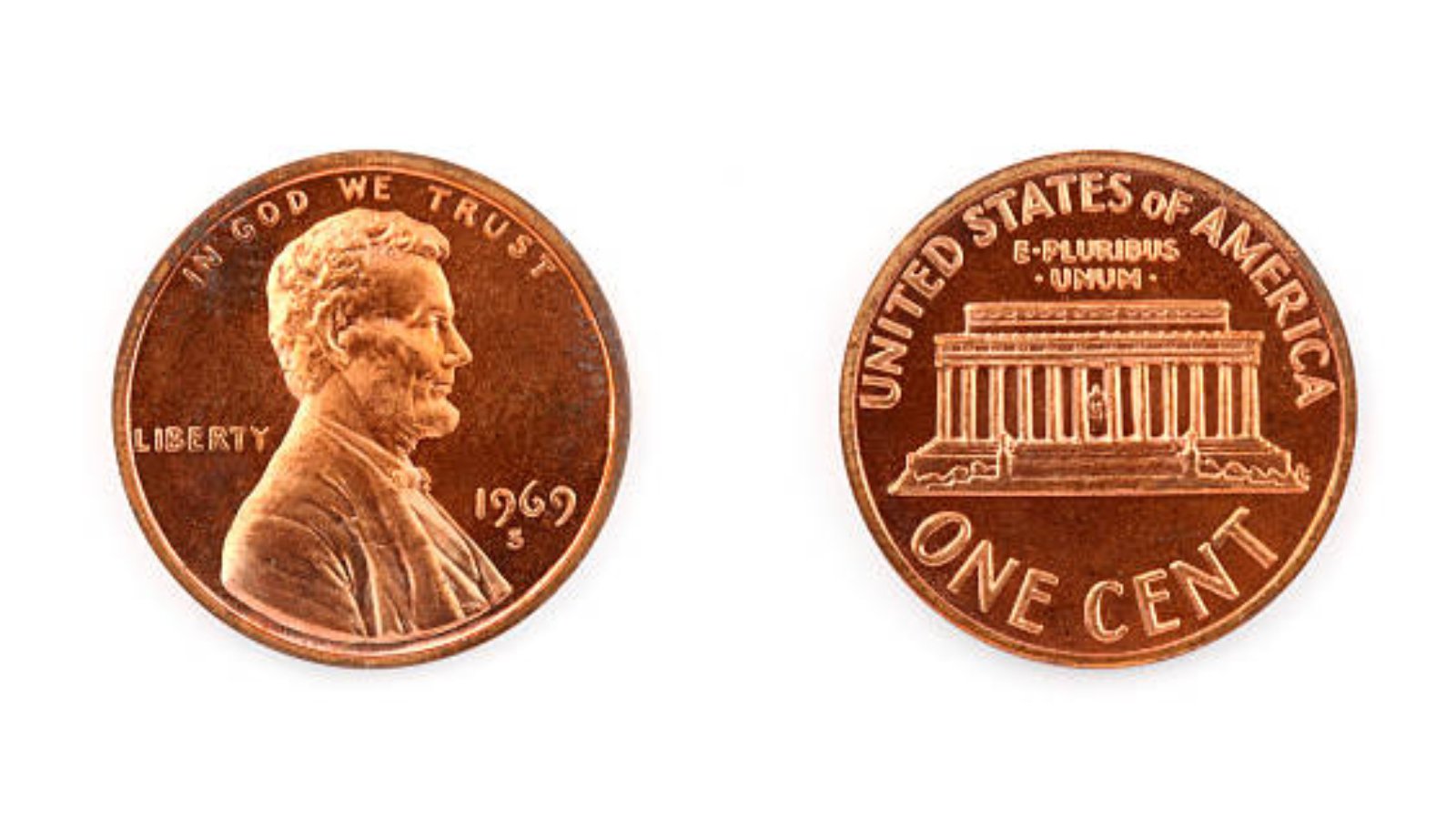

Understanding the difference between proof vs BU vs reverse proof coins is fundamental for any collector or investor. These terms describe the manufacturing process and final finish of a coin, which directly impacts its appearance, rarity, and market value. Whether you’re admiring the mirror-like shine of a proof coin, the fresh brilliance of a BU coin, or the striking contrast of a reverse proof, knowing what sets them apart empowers you to make smarter purchases and build a more valuable collection. This guide will decode these terms, showcase clear examples from the Metal Bullion inventory, and explain why the distinction in proof vs BU vs reverse proof coins matters so much.
What Are BU (Brilliant Uncirculated) Coins?
In the debate of proof vs BU vs reverse proof coins, BU is the most common type found in bullion products. BU stands for “Brilliant Uncirculated.” This designation means the coin has never been circulated in commerce and retains its original mint luster. However, it was produced on high-speed presses intended for mass production. While beautiful and shiny, BU coins may have minor bag marks, contact scratches, or hairlines from being bulk-packed and transported. They represent the highest quality of regular issue coins intended for investment. A perfect example is a standard 2022 American Gold Eagle Coin (BU), which offers the intrinsic gold value in a pristine, uncirculated condition.
What Are Proof Coins?
When comparing proof vs BU vs reverse proof coins, proof coins represent the pinnacle of numismatic artistry. Proof coins are struck multiple times with specially polished dies and blank planchets (coin blanks) on slower, more precise presses. This process forces the metal into every detail of the die, creating incredibly sharp imagery. The result is a coin with a brilliant, mirror-like field (background) and frosted, matte-like devices (the raised design elements). This stunning contrast is known as “cameo effect.” Proof coins are handled with gloves, individually packaged, and often come with a Certificate of Authenticity. They are collected for their beauty and perfection, not for circulation. The First Amendment Platinum Proof Coin is a magnificent example of this technique.
What Are Reverse Proof Coins?
Reverse proof is a modern and dramatic variation in the world of proof vs BU vs reverse proof coins. As the name implies, it reverses the traditional proof finish. A reverse proof coin has a frosted, matte field and mirror-like, brilliant devices. This inverts the visual contrast, making the central design elements pop against the duller background. This specialized strike is often used for special editions, anniversaries, and ultra-low mintage releases, making them highly sought after by collectors. The 2021 issue, which included both types, is a classic example. You can see this incredible contrast in the 2021 Reverse Proof American Silver Eagle 2-Coin Set.
Proof vs BU vs Reverse Proof: A Side-by-Side Comparison
The easiest way to understand proof vs BU vs reverse proof coins is to see how they stack up against each other. This table breaks down the key differences.
| Feature | BU (Brilliant Uncirculated) | Proof | Reverse Proof |
|---|---|---|---|
| Production | High-speed press for volume | Slow-strike on special presses | Slow-strike on special presses |
| Field (Background) | Brilliant, can be grainy | Mirror-like, brilliant | Frosted, matte |
| Devices (Design) | Brilliant, may lack sharpness | Frosted, matte (cameo) | Mirror-like, brilliant |
| Packaging | Bulk tubes/boxes (e.g., Mini Monster Box) | Individual capsule + box + COA | Individual capsule + box + COA |
| Primary Market | Investors (bullion stackers) | Collectors (numismatists) | Advanced Collectors |
| Premium | Low over spot price | High numismatic premium | Very High numismatic premium |
How Strike Type Affects Value and Price
The distinction in proof vs BU vs reverse proof coins has a direct and significant impact on price. BU coins are valued primarily for their metal content, carrying a small premium over the spot price of gold or silver. Proof coins carry a much higher premium due to their enhanced craftsmanship, lower mintages, and specialized packaging. Reverse proof coins often command the highest premiums of all because they are typically issued in even smaller quantities for special occasions, making them the rarest of the three. For instance, a proof coin like the Negro Leagues Baseball Proof Set has a value far exceeding its pure metal weight due to its collectible nature.
Identifying Proof, Reverse Proof, and BU Coins
Learning to identify proof vs BU vs reverse proof coins yourself is a key skill. Examine the coin’s surfaces under a good light. Look for the tell-tale mirror finish. If the background is a perfect mirror and the design is frosted, it’s a standard proof. If the background is frosted and the design is a mirror, it’s a reverse proof. A BU coin will be uniformly shiny but lack the extreme mirror finish and sharp frost contrast; it may also have minor imperfections visible to the naked eye. For more on evaluating coin condition, our blog How to Grade Coins Yourself is an essential resource.
Which Should You Buy: Proof, BU, or Reverse Proof?
The choice between proof vs BU vs reverse proof coins depends entirely on your goals.
- For Pure Investment (Metal Weight): BU coins are the clear choice. They offer the most metal for your money, as you pay a minimal premium over spot price. Products like a 1 oz American Gold Eagle (Random Year, BU) are perfect for this strategy.
- For Collecting & Aesthetics: Proof coins are ideal. Their beauty and display quality are unmatched, making them wonderful centerpieces for a collection.
- For Advanced Collecting & Rarity: Reverse proof and special edition proof coins are the target. These are for collectors seeking the rarest issues with the highest potential for numismatic appreciation over time.
Caring for Your Different Coin Types
Proper care is crucial and varies slightly between proof vs BU vs reverse proof coins. BU coins are durable but should still be handled by the edge to avoid fingerprints. Proof and reverse proof coins are extremely susceptible to marks and hairlines. Always hold them by the edge while wearing cotton gloves. Store them in their original capsules or in inert plastic flips to protect their delicate surfaces. Never clean a coin, as this will destroy its value. For detailed storage solutions, see our guide on How to Store Gold & Silver at Home.
Building a Diverse Portfolio with Different Finishes
A sophisticated precious metals portfolio can include both BU and proof coins. Use BU bullion for the core foundation of your investment, leveraging its low premiums and high liquidity. Then, allocate a portion to high-quality proof and reverse proof coins for their potential numismatic growth and beauty. This strategy balances wealth preservation with the excitement of collecting. Explore our full range, from 100 oz silver bars for investment to rare proof sets for collecting, to build a portfolio that meets all your goals.
Official Resources from Mints
For further reading on coin production techniques, consult these authoritative sources:
- U.S. Mint Glossary: The official definitions of numismatic terms from the United States Mint.
- The Royal Mint: How Coins Are Made: A great breakdown of the minting process, including proof strikes.
- NGC Coin Grading Scale: Understanding how graders evaluate the surfaces of proof, reverse proof, and BU coins.
Add a Comment