
 Cart is empty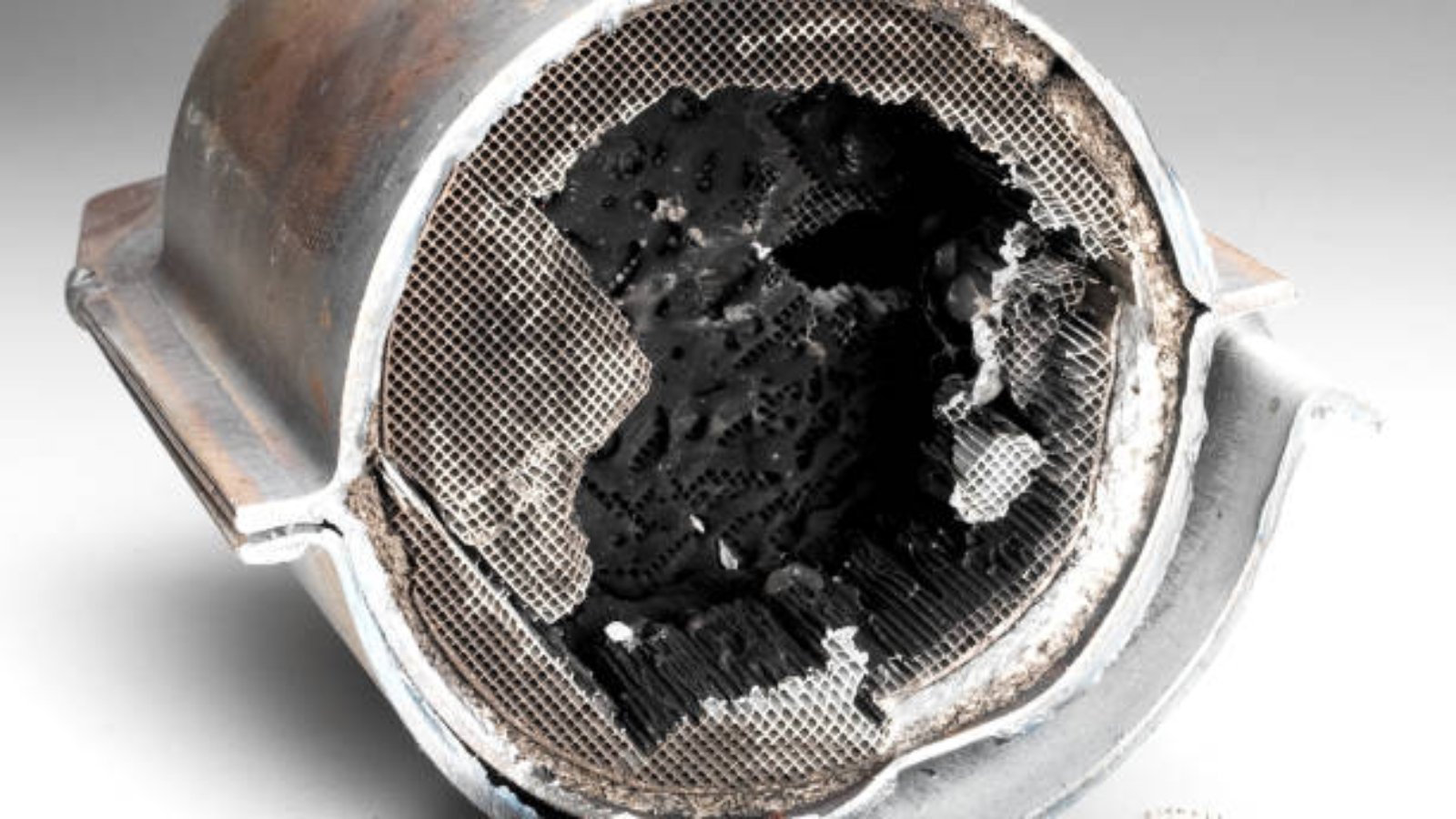
The Role of PGMs in Catalytic Converters — And Why It Matters to You
If you drive a gasoline or diesel vehicle — or invest in precious metals — the role of PGMs in catalytic converters directly impacts your life and wallet. Platinum Group Metals (PGMs) — primarily platinum, palladium, and rhodium — are the invisible heroes inside your car’s exhaust system, converting deadly pollutants like carbon monoxide, nitrogen oxides, and hydrocarbons into harmless gases. Without them, modern emissions standards would be impossible. But in 2025, this critical industrial use is at a crossroads. Palladium demand is peaking as EVs rise, platinum is staging a comeback as a cheaper substitute, and rhodium remains the most volatile metal on earth. At Metal Bullion, we track PGM supply chains because they dictate long-term price trends. In this guide, you’ll learn exactly how PGMs work in catalytic converters — and why it matters to your investments, your car’s value, and your financial future.
You’ll discover:
- How catalytic converters work — and why PGMs are irreplaceable
- Which PGM does what — platinum for diesel, palladium for gasoline, rhodium for NOx
- Why 2025 is a turning point — EV disruption, platinum substitution, and Russian supply
- How PGM prices affect your car’s cost, insurance, and scrap value
- Top PGM products to buy — 20 x 1 oz Platinum Bars, 1 oz Palladium Bars, 1 oz Rhodium Bars
Let’s decode the hidden engine under your hood — and in your portfolio.
What Are PGMs? The Platinum Group Metals Explained
PGMs — Platinum, Palladium, Rhodium, Ruthenium, Iridium, Osmium — are six rare, dense, corrosion-resistant metals clustered together on the periodic table. Only the first three are used in catalytic converters:
- Platinum (Pt): Dense, stable, excellent for diesel and hydrogen applications.
- Palladium (Pd): Lighter, more reactive, ideal for gasoline engines.
- Rhodium (Rh): Extremely rare, highly effective at reducing nitrogen oxides (NOx).
Key Fact: A typical gasoline catalytic converter contains 2–7 grams of palladium, 1–2 grams of rhodium, and 0–1 gram of platinum. A diesel converter uses 5–10 grams of platinum and almost no palladium.
How PGMs Work in Catalytic Converters — The Science Simplified
Your car’s catalytic converter is a honeycomb ceramic structure coated with PGMs. As exhaust gases flow through, the PGMs act as catalysts — triggering chemical reactions without being consumed.
Three Critical Reactions:
- Oxidation of Carbon Monoxide (CO):
CO + O2 → CO2 (harmless)
Catalyst: Platinum or Palladium - Oxidation of Hydrocarbons (HC):
HC + O2 → CO2 + H2O (harmless)
Catalyst: Platinum or Palladium - Reduction of Nitrogen Oxides (NOx):
NOx → N2 + O2 (harmless)
Catalyst: Rhodium (most effective), Platinum (backup)
Why PGMs? No other metals can perform these reactions efficiently at 400–800°C — the temperature of exhaust gases. Attempts to use cheaper metals (copper, nickel) fail — they melt or poison the catalyst.
Why Palladium Dominated — And Why It’s Peaking in 2025
From 2010–2022, palladium was the king of catalytic converters — especially for gasoline engines. Here’s why:
- Stricter Emissions Laws: Euro 6, U.S. Tier 3 standards required more palladium to clean exhaust.
- Dieselgate Scandal: Volkswagen’s cheating shifted global production to gasoline — and palladium.
- Supply Constraints: 40% from Russia — sanctions fears drove prices to $3,000/oz.
2025 Reality Check:
- EV Disruption: Electric vehicles use zero PGMs. As EVs hit 25%+ of new sales, palladium demand is peaking.
- Substitution: Platinum is now 10% cheaper — and equally effective. BMW, Toyota, VW are switching back.
- Price Collapse: Palladium fell from $3,000 to $950/oz — a 68% crash.
What It Means for You: If you own palladium (1 oz Palladium Bar), hedge with platinum. If you’re buying a new gasoline car, expect lower costs as palladium use declines.
Why Platinum Is Making a Comeback in Catalytic Converters
Platinum is the original catalytic metal — and it’s staging a powerful comeback in 2025. Here’s why:
- Cost Advantage: Platinum at $1,050/oz vs. palladium at $950/oz? Wait — correction: Platinum is $1,050, palladium $950 — but platinum is denser, so you need less. Effective cost: platinum is cheaper.
- Technical Parity: Modern catalysts prove platinum works as well as palladium in gasoline engines — especially with new coating tech.
- Diesel & Hydrogen Demand: Diesel trucks still need platinum. Hydrogen fuel cells (Toyota Mirai, Nikola trucks) use 30–60g per vehicle.
2025 Forecast: The World Platinum Investment Council predicts 1M+ oz of palladium demand will shift to platinum by 2026 — a 10% reduction in palladium demand.
What It Means for You: If you’re investing, buy platinum (20 x 1 oz Platinum Bars). If you’re scrapping a car, platinum-heavy diesel converters are gaining value.
Rhodium: The Volatile Powerhouse in Catalytic Converters
Rhodium is the secret weapon in catalytic converters — and the most expensive metal on earth. Here’s why:
- NOx Killer: Rhodium is 5x more effective than platinum at reducing nitrogen oxides — the most toxic emission.
- Extreme Rarity: Only 30 tons mined annually — 1/10th of platinum, 1/20th of gold.
- Price Volatility: Hit $30,000/oz in 2021 — crashed to $4,000/oz in 2024 — now ~$5,000/oz.
2025 Outlook: Rhodium demand remains strong — but recycling is rising. Stolen catalytic converters (especially from Toyotas and trucks) flood the market with scrap rhodium — suppressing prices.
What It Means for You: Only speculate in rhodium if you understand the risk. → 1 oz Rhodium Bar (PAMP Suisse)
How PGMs in Catalytic Converters Affect Your Car & Wallet
PGMs aren’t just for investors — they impact every driver:
✅ 1. New Car Prices
PGMs add $100–$300 to the cost of a new car. As palladium use declines and platinum rises, expect modest price adjustments — not spikes.
✅ 2. Insurance & Theft Risk
Catalytic converters are stolen for their PGMs — especially rhodium-rich ones (Toyota Prius, Honda Accord). Insurance claims are rising. Park in garages, install shields.
✅ 3. Scrap Value
When you junk a car, the catalytic converter is worth $50–$500 — depending on PGM content. Diesel trucks (platinum-heavy) and older Toyotas (rhodium-heavy) fetch the most.
✅ 4. Emissions Testing
If your catalytic converter fails (due to PGM depletion or damage), you’ll fail emissions — and pay $1,000+ for replacement.
Top 5 PGM Products to Buy Based on Catalytic Converter Trends
- 20 x 1 Oz Platinum Bar
20 x 1 Oz Platinum Bar
Why: Lowest premiums, bulk efficiency. Bet on platinum substitution and hydrogen demand. - 1 Oz Palladium Bar
1 Oz Palladium Bar
Why: Pure industrial play. Only for speculators betting on a short-term rebound. - 1 Oz Rhodium Bar (PAMP Suisse)
1 Oz Rhodium Bar (PAMP Suisse)
Why: Branded, assay-sealed. For aggressive investors who understand volatility. - First Amendment to the United States Constitution 2022 Platinum Proof Coin
First Amendment Platinum Proof
Why: Collectible + investment. Hedge with art and history. - 1 Ounce Platinum Maple Leaf Coin
1 Ounce Platinum Maple Leaf Coin
Why: .9995 fine, IRA-eligible, globally recognized. Perfect for conservative investors.
How to Invest in PGMs Like a Pro in 2025
Follow these rules to maximize value and minimize risk:
- Buy Physical — Not Paper: Avoid PPLT, PALL, or RHM ETFs. Own real metal — bars or coins.
- Focus on Low Premiums: Bars > coins for platinum and palladium. 20 x 1 oz Platinum Bars offer best value.
- Dollar-Cost Average: Buy a little each month. Start with 1 oz Palladium Bars or Platinum Bars.
- Store Securely: Use a home safe or private vault. → How to Store Precious Metals
- Hedge Your Bets: Buy 2 oz platinum + 1 oz palladium. Profit if palladium rebounds — protected if it crashes.
What Experts Say About PGMs in Catalytic Converters in 2025
- World Platinum Investment Council: “Every 1% shift from palladium to platinum removes 200,000 oz of palladium demand. The trend is accelerating.” (platinumgroupmetals.org)
- Sprott Asset Management: “Rhodium is the ‘lottery ticket’ of PGMs. Palladium is the ‘fallen angel.’ Platinum is the ‘value stock.’”
- Kitco: “Catalytic converter demand still drives 80% of PGM prices — but the mix is changing fast.” (kitco.com)
PGMs in Catalytic Converters: Your 2025 Action Plan
Don’t just drive — strategize. Here’s your checklist:
- ✅ Are you an investor? (Buy platinum for value, palladium for speculation, rhodium for lottery)
- ✅ Are you a driver? (Protect your catalytic converter, understand scrap value)
- ✅ Do you understand the volatility? (Palladium and rhodium can swing 30% in a month)
- ✅ Do you have secure storage? (Home safe or private vault)
- ✅ Are you hedging? (Combine platinum + palladium for balance)
Top 3 PGM Starter Bundles for 2025
- The Hydrogen Hedge:
20 x 1 oz Platinum Bars + 1 oz Platinum Maple Leaf
Why: Bulk efficiency + liquidity. Perfect for hydrogen and substitution believers. - The Speculative Play:
10 x 1 oz Palladium Bars + 1 oz Rhodium Bar
Why: High-risk, high-reward. For gamblers who believe in a supply shock. - The Balanced PGM Portfolio:
10 x 1 oz Platinum Bars + 5 x 1 oz Palladium Bars + 1 oz Rhodium Bar
Why: 2:1:0.2 ratio. Hedge all scenarios — platinum for value, palladium for momentum, rhodium for explosion.
Ready to Invest in PGMs? Start Here
Don’t wait for the next emissions scandal or price spike. Position your portfolio today.
👉 Shop Platinum Bars & Coins
→ Start with: 20 x 1 oz Platinum Bars or Platinum Maple Leaf
👉 Explore Palladium & Rhodium
→ Start with: 1 oz Palladium Bar or 1 oz Rhodium Bar
👉 Browse All PGMs
→ Start with: Multigram Portfolio to sample platinum + palladium
Have questions? Our PGM specialists are standing by at support@metalbullion.store or 1-800-PGM-CAT.
Add a Comment