Investing in Graded Coins | PCGS vs NGC Value Comparison

Investing in Graded Coins: PCGS vs NGC — Which Holds Value Better?

<h1>Investing in Graded Coins: PCGS vs NGC — Which Holds Value Better?</h1>

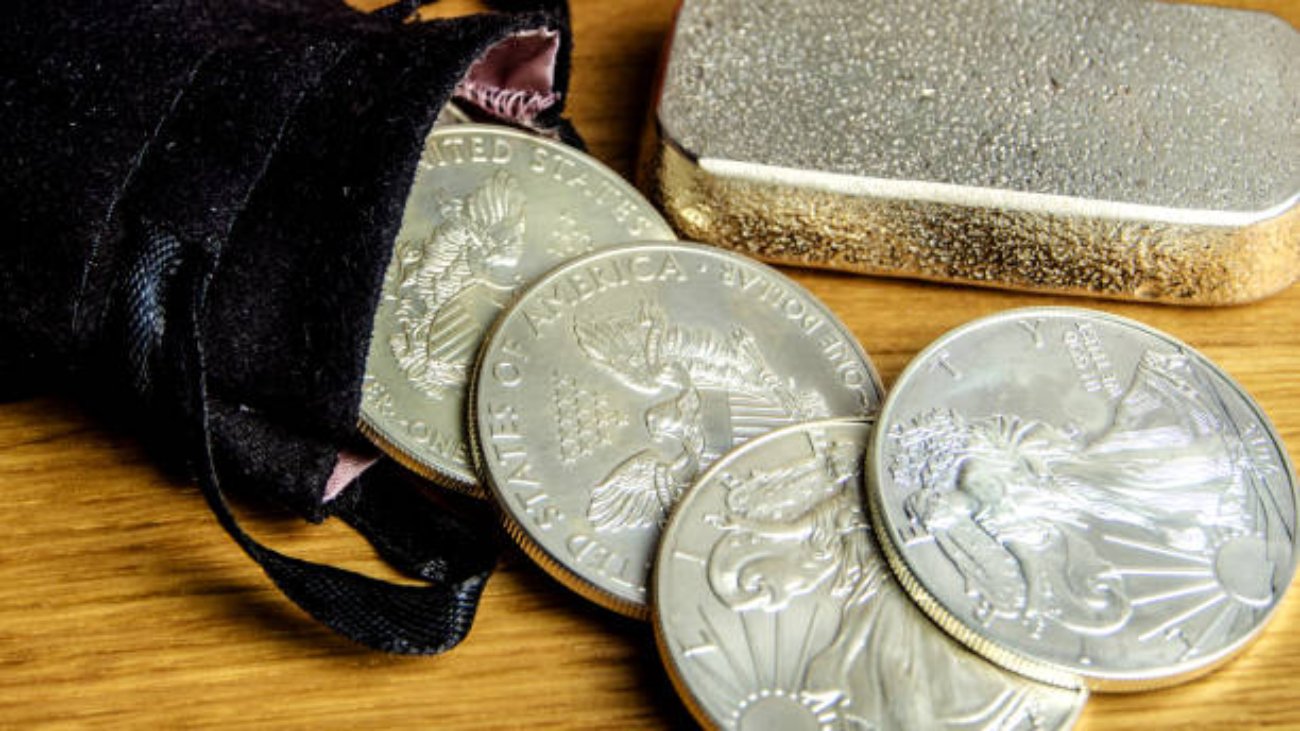
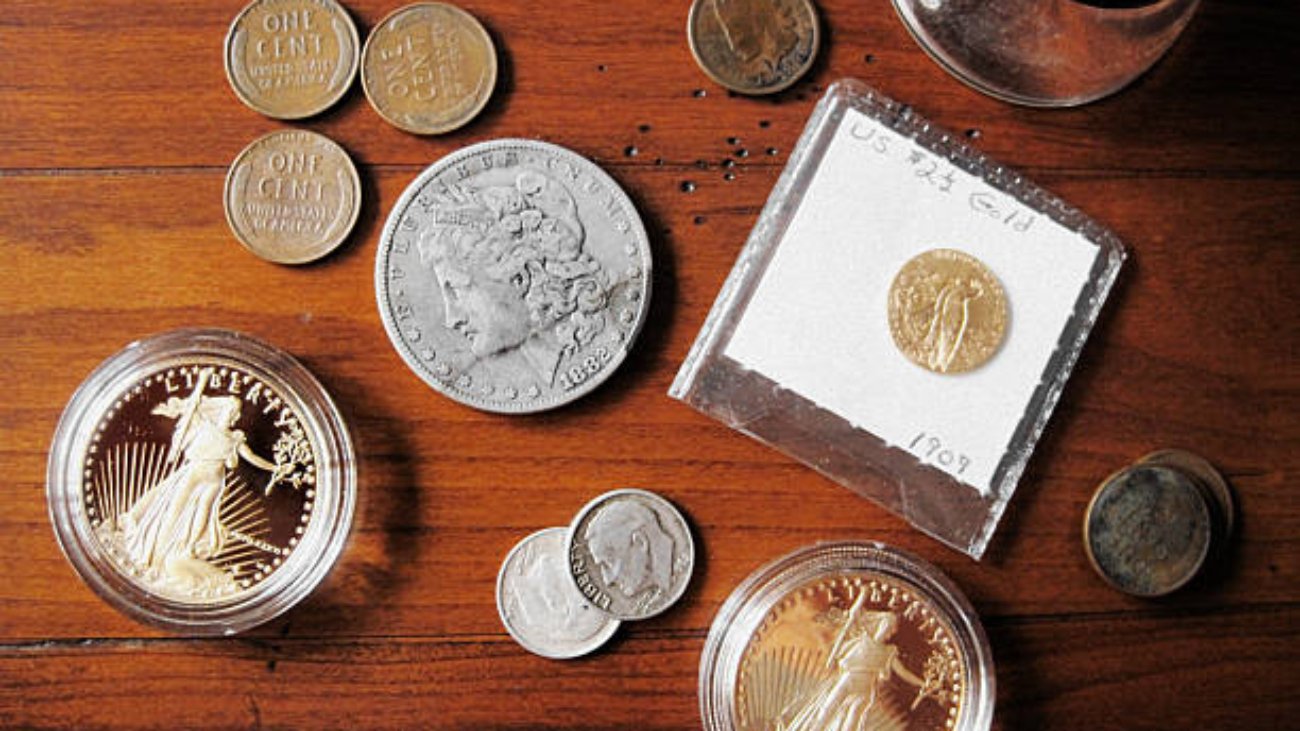
<p><strong>Investing in graded coins</strong> is essential for anyone serious about building long-term wealth in numismatics. Whether you start with historic rarities or modern bullion, graded coin investing ensures authenticity, boosts liquidity, and builds trust. According to <a href=”https://www.pcgs.com” target=”_blank”>PCGS</a> and <a href=”https://www.ngccoin.com” target=”_blank”>NGC</a>, certified coins consistently outperform raw coins in resale value. For beginners, our <a href=”https://metalbullion.store/what-is-bullion-bars-coins-rounds-explained/”>guide to bullion coins</a> explains the basics of bars, coins, and rounds.</p>

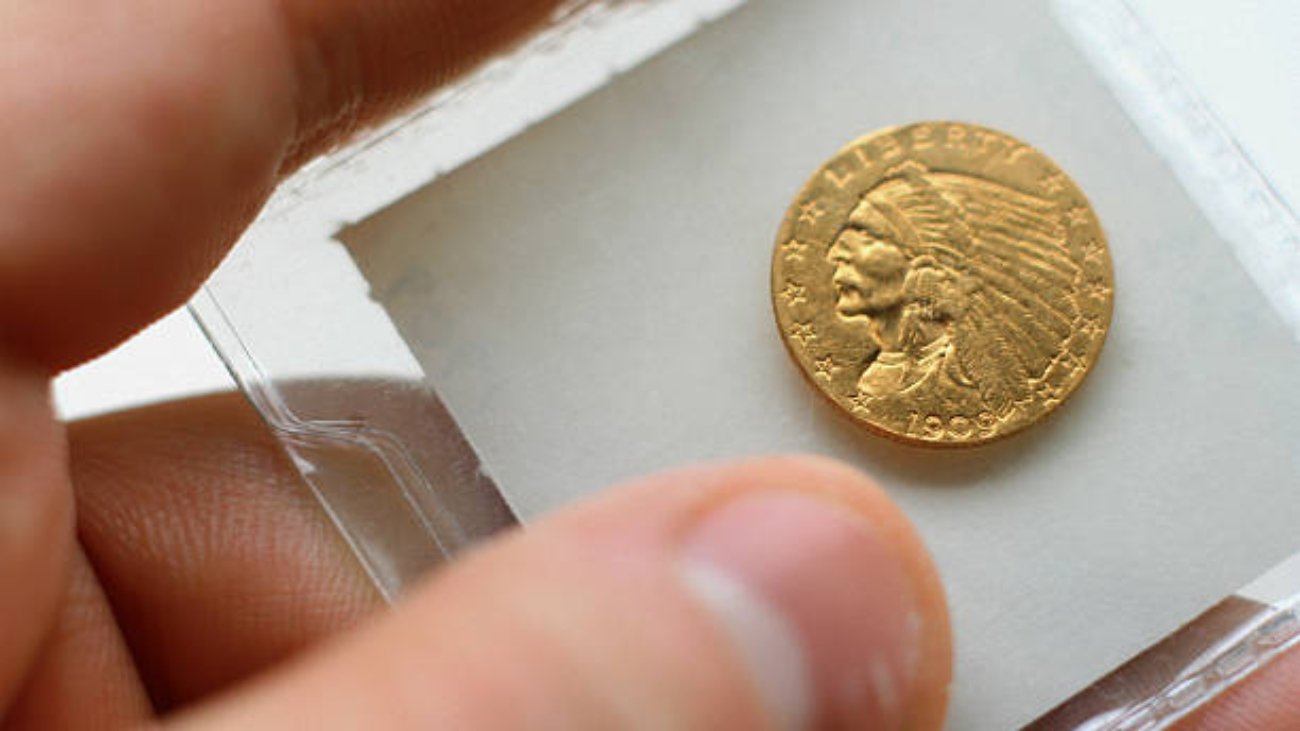
<img src=”/images/graded-coins-collection.jpg” alt=”Investing in graded coins PCGS vs NGC collection” />

<h2>Why investing in graded coins matters</h2>
<p><strong>Investing in graded coins</strong> provides buyers with protection against counterfeits and confidence in quality. Collectors often begin with pieces like the <a href=”https://metalbullion.store/product/1878-1904-morgan-dollars-ms-63-ngc-10-different-dates-mints/”>Morgan Dollars MS-63 NGC Set</a> or modern issues such as the <a href=”https://metalbullion.store/product/national-purple-heart-hall-of-honor-2022-proof-five-dollar-gold-coin/”>Purple Heart Commemorative Coin</a>. For further insights, see <a href=”https://www.investopedia.com” target=”_blank”>Investopedia’s coin investing guide</a>.</p>

<h2>PCGS vs NGC: Graded coin investing overview</h2>
<p>When comparing <strong>PCGS vs NGC coins</strong>, PCGS is often stricter on U.S. rarities like the <a href=”https://metalbullion.store/product/1-1849-liberty-head-gold-open-wreath-ms-65-pcgs/”>1849 Liberty Head Gold Dollar</a>, while NGC dominates with world coins such as the <a href=”https://metalbullion.store/product/2022-germania-1-oz-gold-proof-2/”>Germania Gold Proof</a>. Both services hold strong reputations globally.</p>

<h2>Factors influencing graded coin investing value</h2>

<h3>Rarity and mintage</h3>
<p>Rarity drives value in <strong>graded coin investing</strong>. Examples include the <a href=”https://metalbullion.store/product/1876-1-indian-head-gold-dollar-pr-65-dcam-pcgs-cac/”>1876 Indian Head Gold Dollar</a>, which remains valuable regardless of grading service.</p>

<h3>Collector demand</h3>
<p>Popular series such as the <a href=”https://metalbullion.store/product/2023-1-oz-american-gold-eagle-coin-bu/”>American Gold Eagle</a> and <a href=”https://metalbullion.store/product/2022-1-oz-austrian-gold-philharmonic-coin-bu/”>Austrian Philharmonic</a> coins often gain premiums when slabbed by PCGS or NGC. For silver enthusiasts, the <a href=”https://metalbullion.store/product/2022-1-oz-american-silver-eagle-monster-box-500-coins-bu/”>American Silver Eagle Monster Box</a> is also a strong choice.</p>

<h3>Market trust</h3>
<p>Trust is key in <em>coin grading investment</em>. PCGS is often preferred for U.S. coins like the <a href=”https://metalbullion.store/product/1995-w-proof-american-eagle-10th-anniversary-5-coin-set-box-coa/”>1995-W American Eagle Set</a>, while NGC appeals internationally. Learn more in <a href=”https://metalbullion.store/what-makes-a-coin-rare-grading-mintage-provenance/”>What Makes a Coin Rare?</a>.</p>

<h2>Benefits of graded coin investing</h2>
<p>Compared to bullion bars such as the <a href=”https://metalbullion.store/product/100-oz-silver-bar-engelhard-3/”>100 oz Engelhard Silver Bar</a>, <strong>investing in graded coins</strong> offers higher collector premiums and historic appeal. This makes them attractive to investors who want both metal value and numismatic demand.</p>

<h3>Liquidity</h3>
<p>Graded coins sell faster because buyers trust slabs. For exit strategies, see our guide on <a href=”https://metalbullion.store/how-to-liquidate-gold-fast-best-buyback-strategies/”>how to liquidate gold fast</a>.</p>

<h3>Authentication</h3>
<p>Encapsulation ensures authenticity. Protect yourself with tips from <a href=”https://metalbullion.store/how-to-spot-fake-bullion-7-red-flags/”>How to Spot Fake Bullion</a>.</p>

<h2>Case study: PCGS vs NGC on the 1995-W Eagle</h2>
<p>The <a href=”https://metalbullion.store/product/1995-w-proof-american-eagle-10th-anniversary-5-coin-set-box-coa/”>1995-W American Eagle Set</a> graded PF70 by PCGS usually sells higher than the same set graded by NGC, showing how <strong>graded coin investing</strong> outcomes can vary by grading service.</p>

<h2>Strategies for investing in graded coins</h2>
<ul>
<li>Diversify between PCGS and NGC coins.</li>
<li>Balance rare collectibles like the <a href=”https://metalbullion.store/product/1878-1904-morgan-dollars-ms-63-ngc-10-different-dates-mints/”>Morgan Dollar Sets</a> with bullion products such as the <a href=”https://metalbullion.store/product/2022-1-oz-american-silver-eagle-monster-box-500-coins-bu/”>Silver Eagle Monster Box</a>.</li>
<li>Use secure storage solutions (<a href=”https://metalbullion.store/how-to-store-gold-and-silver-at-home/”>Bullion Storage Guide</a>).</li>
</ul>

<h2>Final verdict: which holds value better?</h2>
<p><strong>Investing in graded coins</strong> with PCGS can yield higher premiums for U.S. rarities, while NGC offers strong performance in world markets. Smart investors collect both, ensuring broad appeal.</p>

<h2>Conclusion: Building wealth with graded coin investing</h2>
<p><strong>Investing in graded coins</strong> balances security, liquidity, and long-term value growth. Consider rare coins like the <a href=”https://metalbullion.store/product/1876-1-indian-head-gold-dollar-pr-65-dcam-pcgs-cac/”>Indian Head Gold Dollar</a>, commemoratives like the <a href=”https://metalbullion.store/product/national-purple-heart-hall-of-honor-2022-proof-five-dollar-gold-coin/”>Purple Heart Coin</a>, and modern bullion like the <a href=”https://metalbullion.store/product/2023-1-oz-american-gold-eagle-coin-bu/”>American Gold Eagle</a>. For deeper learning, see <a href=”https://metalbullion.store/investing-in-graded-coins-pcgs-vs-ngc/”>our full guide</a> and related blogs such as <a href=”https://metalbullion.store/how-to-authenticate-rare-coins-5-tools/”>How to Authenticate Rare Coins</a>.</p>

<img src=”/images/graded-coin-slab.jpg” alt=”Investing in graded coins slab PCGS NGC example” />
1995 American Eagle Anniversary Set | Is It the Collector

The 1995 American Eagle 10th Anniversary Set: Collector’s Holy Grail?

The prestigious 1995 American Eagle 10th Anniversary Proof Set in its original box

The 1995 American Eagle Anniversary Set is not just another proof set; it is a landmark issue in American numismatics that commands reverence and sky-high premiums. Released to celebrate the first decade of the iconic American Eagle Bullion Program, this set encapsulated a moment in time with unparalleled elegance and exclusivity. For serious collectors, the question isn’t just about value—it’s about legacy. Does the 1995 American Eagle Anniversary Set truly deserve its reputation as a “holy grail” acquisition? This deep dive explores its historical context, meticulous craftsmanship, and enduring market performance to uncover why this set remains the pinnacle of modern U.S. minting achievements.

The Historical Significance of the 1995 American Eagle Anniversary Set

To understand the aura surrounding the 1995 American Eagle Anniversary Set, one must appreciate the success of the American Eagle program it celebrated. Launched in 1986, the Gold and Silver Eagle coins quickly became the backbone of the U.S. precious metals market, offering investors and collectors a trusted, government-backed product. The 10th anniversary presented the U.S. Mint with an opportunity to create something extraordinary. Unlike standard annual proof sets, this was a commemorative celebration, a nod to a program that had revitalized American coinage. This foundational history is what separates the 1995 American Eagle Anniversary Set from other releases and fuels its legendary status. For context on other modern rarities, see our guide on Top 10 U.S. Rare Coins Worth Buying.

What’s Inside the Iconic 1995 Anniversary Set?

The 1995 American Eagle Anniversary Set is a complete five-coin collection, each coin struck from 90% fine gold or silver, mirroring the specifications of the original bullion coins but with impeccable proof quality. The set includes:

  • One (1) 1995-W One-Tenth Ounce Gold Proof Eagle
  • One (1) 1995-W One-Fourth Ounce Gold Proof Eagle
  • One (1) 1995-W One-Half Ounce Gold Proof Eagle
  • One (1) 1995-W One Ounce Gold Proof Eagle
  • One (1) 1995-W One Ounce Silver Proof Eagle

The defining feature of every coin is the exclusive “W” mint mark from the West Point Mint, renowned for its quality strikes. Each coin features deeply mirrored fields and frosted, cameo devices, creating a stunning visual contrast that represents the height of proof minting artistry. The set was originally issued in a lavish wooden presentation case with a Certificate of Authenticity, making it a true collector’s package. You can view this exceptional set here: 1995-W Proof American Eagle 10th Anniversary Set.

Rarity and Mintage: The Key to Its “Holy Grail” Status

The core of the 1995 American Eagle Anniversary Set‘s mythos lies in its extreme rarity. The U.S. Mint produced only 30,125 sets for worldwide distribution. This incredibly low mintage, especially for a pre-internet era release, meant that only a tiny fraction of collectors could ever hope to own one. Compared to the millions of standard Silver Eagles minted annually, the exclusivity of the 1995 American Eagle Anniversary Set is undeniable. Furthermore, over time, many sets have been broken apart or have lost their original packaging, making a complete, pristine set with box and COA even rarer. This scarcity is a primary driver of its value and its claim to a “holy grail” designation.

Market Value and Performance of the 1995 Set

The value of the 1995 American Eagle Anniversary Set is a testament to its desirability. While its original issue price was a little over $1,200, a complete set in excellent condition now commands a price many times that amount. Its value is not solely tied to the spot price of gold and silver; it carries a massive numismatic premium due to its rarity, condition, and historical importance. The market for this set has consistently shown strength, often appreciating even during periods of metal price stagnation, as it is driven by collector demand rather than investor speculation. This performance aligns with other key commemoratives, as discussed in Commemorative Coins That Outperform Gold.

1995 American Eagle Set vs. Other Key Commemoratives

How does the 1995 American Eagle Anniversary Set compare to other modern classics? While later anniversaries and special issues (like the 2021 Type 1 & 2 sets) have been popular, none have matched the 1995 set’s combination of being a “first,” its comprehensive nature (including all four gold sizes plus silver), and its ultra-low mintage. It set the standard for what a commemorative set should be. It holds a similar revered position as other landmark issues, such as the Negro Leagues Baseball set, but with the added weight of time and established market history.

Is It the Ultimate Holy Grail for Collectors?

Calling any coin a “holy grail” is subjective, as it depends on a collector’s focus. For specialists in American Eagles or modern U.S. proof sets, the 1995 American Eagle Anniversary Set is undoubtedly a centerpiece—the crown jewel of the series. Its combination of historical significance, pristine proof quality, extreme rarity, and beautiful presentation makes a compelling case for the title. It is a set that signifies a collector’s serious commitment and deep understanding of numismatics. For many, acquiring this set is the culmination of a long collecting journey.

How to Verify the Authenticity of a 1995 Set

Given its high value, ensuring the authenticity of a 1995 American Eagle Anniversary Set is paramount. The best sets are those that have been kept sealed in their original government packaging. When examining the coins, look for the sharp “W” mint mark on each one, the deep mirror proof fields, and the correct weight and dimensions for each denomination. For ultimate peace of mind, many collectors prefer sets that have been professionally authenticated and graded by NGC or PCGS, which guarantees the coins are genuine and have not been tampered with. Learn more about this process in our essential guide, How to Authenticate Rare Coins.

Acquiring a Piece of Numismatic History

The 1995 American Eagle Anniversary Set is more than an investment; it is a piece of numismatic history. It represents a celebratory milestone for America’s most beloved bullion program. For the advanced collector, it offers a tangible connection to a pivotal moment in the U.S. Mint’s history, packaged in a format of exceptional beauty and rarity. It is a conversation piece, a store of value, and a testament to the art of coin collecting.

Where to Find the 1995 American Eagle Anniversary Set

Due to its rarity, finding a complete 1995 American Eagle Anniversary Set in original condition is a challenge. They rarely appear on the open market and are often traded between serious collectors or through reputable dealers with a focus on numismatics. Metal Bullion is proud to occasionally offer such landmark pieces to our discerning clientele. If you are seeking to crown your collection with this ultimate modern classic, we invite you to view our current inventory: View the 1995-W 10th Anniversary Set at Metal Bullion.

Further Research and Resources

To learn more about this iconic set and its context, explore these official resources:

Authenticate Rare Coins | 5 Essential Tools for Collectors

How to Authenticate Rare Coins: 5 Tools Every Collector Needs

Five essential tools to authenticate rare coins: scale, calipers, magnet, loupe, and reference book

Learning how to authenticate rare coins is the most critical defense a collector has against sophisticated counterfeits and costly mistakes. The market for valuable numismatics is unfortunately also a market for high-quality fakes. Whether you’re examining a raw Morgan dollar or a high-value gold coin, relying on sight alone is a risky gamble. The key to confidence is a systematic approach backed by the right equipment. This guide details the five essential tools you need to effectively authenticate rare coins, empowering you to verify weight, dimensions, magnetism, and surface details like a professional, ensuring every addition to your collection is genuine. For a foundation on what makes a coin valuable, read What Makes a Coin “Rare”?.

1. The Digital Scale: The First Test to Authenticate Rare Coins

A precision digital scale is your first and most objective tool to authenticate rare coins. Precious metals have specific densities, and a coin’s weight is a fixed standard that counterfeiters often get wrong. Even a small deviation can indicate a fake. For example, a genuine American Gold Eagle coin must weigh 33.931 grams; a fake might be off by a tenth of a gram or more due to being made of a tungsten core plated with gold. Weigh a coin in grams and compare it to its official specification. Always use a scale that measures to at least 0.01 grams for accuracy. This tool is indispensable for checking everything from a 1 oz American Gold Buffalo to a silver Morgan Dollar.

2. The Digital Caliper: Measuring for Perfect Dimensions

Following the weight check, a digital caliper is your next essential tool to authenticate rare coins. A coin’s diameter and thickness are precisely defined by its mint. Counterfeit coins, especially cast fakes, often have slightly incorrect dimensions. Measure the diameter and thickness of the coin in millimeters and compare them to the official figures. For instance, a genuine Silver Eagle should be 40.6mm in diameter and 2.98mm thick. Any significant variance is a major red flag. Calipers help you catch fakes that might pass a simple weight test but are the wrong size, providing a second layer of verification.

3. The Rare Earth Magnet: The Precious Metals Test

A small but powerful rare earth magnet is a cheap and incredibly effective tool to authenticate rare coins made of gold, silver, platinum, or palladium. Gold and silver are not magnetic. If a coin is attracted to a magnet, it is immediately exposed as a fake, likely made from a base metal like steel. However, a more advanced test involves the “slide test.” Real silver and gold are highly conductive. A rare earth magnet will slide down the face of a genuine silver or gold coin very slowly due to eddy currents induced in the metal. A fake will not exhibit this slow, sliding attraction. This is a crucial test for any bullion product, from a 1 oz Pamp Suisse Gold Bar to a silver round.

4. The Jeweler’s Loupe: Inspecting Surface Details

Your eyes can deceive you, but a good jeweler’s loupe (or a USB microscope) won’t. Magnification is vital to authenticate rare coins by revealing surface details invisible to the naked eye. Look for these tell-tale signs of a counterfeit under 5x to 10x magnification:

  • Bubbling or Pitting: Cast fakes often have tiny bubbles on the surface from air trapped in the mold.
  • Seam Lines: Look for a thin raised line around the edge, indicating a coin that was cast in a two-part mold.
  • Lack of Detail: Genuine minted coins have sharp, crisp details. Fakes often have mushy, soft details on high points like hair strands or feathers.
  • Tooling Marks: Signs of manual carving or correction on a die.

Use a loupe to compare a suspect coin’s details to a known genuine example, like those shown in our guide on coin grading.

5. The Fisch Device: Detecting Counterfeit Silver

For a more advanced and specific test, the Fisch device is a dedicated tool used to authenticate rare coins and bars made of silver. It uses electromagnetic induction to measure a metal’s electrical conductivity, which is a unique property for each element. Silver has the highest electrical conductivity of any metal. The device gives a reading that will fall within a specific range for pure silver. If the reading is outside this range, the item is not pure silver. This is one of the most reliable non-destructive methods to verify silver content and is highly effective against tungsten-filled bars, which pass the weight and size tests but fail the conductivity test.

The Ultimate Authentication Tool: Buying Certified Coins

While these tools are essential for raw coins, the single best way to authenticate rare coins is to buy them already certified and encapsulated by top-tier grading services like PCGS or NGC. When you purchase a coin like an NGC or PCGS Graded Proof Gold Buffalo, the authentication work is done for you. The holder guarantees the coin’s authenticity and protects it from tampering. This is the safest approach for high-value purchases and is why we explore the topic in Investing in Graded Coins: PCGS vs NGC.

Building Your Authentication Toolkit

You don’t need a lab to start protecting your collection. Begin with the basics: a digital scale, calipers, a rare earth magnet, and a loupe. These four tools will help you catch the vast majority of fakes on the market. As your collection grows in value and sophistication, you can consider more advanced tools like a Fisch device. The most important tool, however, is knowledge. Continuously educate yourself on the specifics of the coins you collect. Reference books and online resources like PCGS Photograde are invaluable for comparing your coins to verified examples.

Where to Find Coins Worth Authenticating

The best way to avoid the hassle of authentication is to buy from reputable sources. Established dealers like Metal Bullion provide a guarantee of authenticity, whether you’re purchasing a raw Engelhard silver bar or a certified PR-65 Indian Head Gold Dollar. Your peace of mind is worth the slight premium over unknown sellers. For tips on choosing a dealer, read Where to Buy Precious Metals Online Safely.

Empower Yourself as a Collector

Knowing how to authenticate rare coins transforms you from a hopeful buyer into a confident collector. It allows you to explore the market for raw coins with less risk and appreciate the nuances of genuine minting. Arm yourself with these five tools, commit to a process of verification, and build a collection you can trust is 100% authentic.

Official and Educational Resources

For further learning, we recommend these authoritative sources on coin authentication:

Proof vs BU vs Reverse Proof Coins | Definitions & Differences

Proof vs BU vs Reverse Proof: What Do These Terms Mean?

Side-by-side comparison of proof vs BU vs reverse proof coin finishes on American Silver Eagles

Understanding the difference between proof vs BU vs reverse proof coins is fundamental for any collector or investor. These terms describe the manufacturing process and final finish of a coin, which directly impacts its appearance, rarity, and market value. Whether you’re admiring the mirror-like shine of a proof coin, the fresh brilliance of a BU coin, or the striking contrast of a reverse proof, knowing what sets them apart empowers you to make smarter purchases and build a more valuable collection. This guide will decode these terms, showcase clear examples from the Metal Bullion inventory, and explain why the distinction in proof vs BU vs reverse proof coins matters so much.

What Are BU (Brilliant Uncirculated) Coins?

In the debate of proof vs BU vs reverse proof coins, BU is the most common type found in bullion products. BU stands for “Brilliant Uncirculated.” This designation means the coin has never been circulated in commerce and retains its original mint luster. However, it was produced on high-speed presses intended for mass production. While beautiful and shiny, BU coins may have minor bag marks, contact scratches, or hairlines from being bulk-packed and transported. They represent the highest quality of regular issue coins intended for investment. A perfect example is a standard 2022 American Gold Eagle Coin (BU), which offers the intrinsic gold value in a pristine, uncirculated condition.

What Are Proof Coins?

When comparing proof vs BU vs reverse proof coins, proof coins represent the pinnacle of numismatic artistry. Proof coins are struck multiple times with specially polished dies and blank planchets (coin blanks) on slower, more precise presses. This process forces the metal into every detail of the die, creating incredibly sharp imagery. The result is a coin with a brilliant, mirror-like field (background) and frosted, matte-like devices (the raised design elements). This stunning contrast is known as “cameo effect.” Proof coins are handled with gloves, individually packaged, and often come with a Certificate of Authenticity. They are collected for their beauty and perfection, not for circulation. The First Amendment Platinum Proof Coin is a magnificent example of this technique.

What Are Reverse Proof Coins?

Reverse proof is a modern and dramatic variation in the world of proof vs BU vs reverse proof coins. As the name implies, it reverses the traditional proof finish. A reverse proof coin has a frosted, matte field and mirror-like, brilliant devices. This inverts the visual contrast, making the central design elements pop against the duller background. This specialized strike is often used for special editions, anniversaries, and ultra-low mintage releases, making them highly sought after by collectors. The 2021 issue, which included both types, is a classic example. You can see this incredible contrast in the 2021 Reverse Proof American Silver Eagle 2-Coin Set.

Proof vs BU vs Reverse Proof: A Side-by-Side Comparison

The easiest way to understand proof vs BU vs reverse proof coins is to see how they stack up against each other. This table breaks down the key differences.

Feature BU (Brilliant Uncirculated) Proof Reverse Proof
Production High-speed press for volume Slow-strike on special presses Slow-strike on special presses
Field (Background) Brilliant, can be grainy Mirror-like, brilliant Frosted, matte
Devices (Design) Brilliant, may lack sharpness Frosted, matte (cameo) Mirror-like, brilliant
Packaging Bulk tubes/boxes (e.g., Mini Monster Box) Individual capsule + box + COA Individual capsule + box + COA
Primary Market Investors (bullion stackers) Collectors (numismatists) Advanced Collectors
Premium Low over spot price High numismatic premium Very High numismatic premium

How Strike Type Affects Value and Price

The distinction in proof vs BU vs reverse proof coins has a direct and significant impact on price. BU coins are valued primarily for their metal content, carrying a small premium over the spot price of gold or silver. Proof coins carry a much higher premium due to their enhanced craftsmanship, lower mintages, and specialized packaging. Reverse proof coins often command the highest premiums of all because they are typically issued in even smaller quantities for special occasions, making them the rarest of the three. For instance, a proof coin like the Negro Leagues Baseball Proof Set has a value far exceeding its pure metal weight due to its collectible nature.

Identifying Proof, Reverse Proof, and BU Coins

Learning to identify proof vs BU vs reverse proof coins yourself is a key skill. Examine the coin’s surfaces under a good light. Look for the tell-tale mirror finish. If the background is a perfect mirror and the design is frosted, it’s a standard proof. If the background is frosted and the design is a mirror, it’s a reverse proof. A BU coin will be uniformly shiny but lack the extreme mirror finish and sharp frost contrast; it may also have minor imperfections visible to the naked eye. For more on evaluating coin condition, our blog How to Grade Coins Yourself is an essential resource.

Which Should You Buy: Proof, BU, or Reverse Proof?

The choice between proof vs BU vs reverse proof coins depends entirely on your goals.

  • For Pure Investment (Metal Weight): BU coins are the clear choice. They offer the most metal for your money, as you pay a minimal premium over spot price. Products like a 1 oz American Gold Eagle (Random Year, BU) are perfect for this strategy.
  • For Collecting & Aesthetics: Proof coins are ideal. Their beauty and display quality are unmatched, making them wonderful centerpieces for a collection.
  • For Advanced Collecting & Rarity: Reverse proof and special edition proof coins are the target. These are for collectors seeking the rarest issues with the highest potential for numismatic appreciation over time.

Caring for Your Different Coin Types

Proper care is crucial and varies slightly between proof vs BU vs reverse proof coins. BU coins are durable but should still be handled by the edge to avoid fingerprints. Proof and reverse proof coins are extremely susceptible to marks and hairlines. Always hold them by the edge while wearing cotton gloves. Store them in their original capsules or in inert plastic flips to protect their delicate surfaces. Never clean a coin, as this will destroy its value. For detailed storage solutions, see our guide on How to Store Gold & Silver at Home.

Building a Diverse Portfolio with Different Finishes

A sophisticated precious metals portfolio can include both BU and proof coins. Use BU bullion for the core foundation of your investment, leveraging its low premiums and high liquidity. Then, allocate a portion to high-quality proof and reverse proof coins for their potential numismatic growth and beauty. This strategy balances wealth preservation with the excitement of collecting. Explore our full range, from 100 oz silver bars for investment to rare proof sets for collecting, to build a portfolio that meets all your goals.

Official Resources from Mints

For further reading on coin production techniques, consult these authoritative sources:

Negro Leagues Baseball Set | History, Value & Rising Demand

The Negro Leagues Baseball Set: History, Value & Why It’s Rising

The 2022 Negro Leagues Baseball set three coin proof set displayed on a baseball glove

The Negro Leagues Baseball set is far more than a collection of precious metal coins; it is a powerful numismatic tribute to the athletes who overcame segregation to play America’s pastime. Released in 2022 by the United States Mint, this proof set captures a vital, often overlooked chapter of American history in stunning detail. For collectors and investors, the Negro Leagues Baseball set represents a unique convergence of cultural significance, limited mintage, and beautiful design, driving its value and demand steadily upward since its release. This article explores the history it honors, the market value it commands, and the reasons behind its growing prominence in the collecting world.

The History Honored by the Negro Leagues Baseball Set

To understand the value of the Negro Leagues Baseball set, one must first appreciate the history it enshrines. For over six decades, from 1920 to the integration of Major League Baseball, the Negro Leagues provided a platform for legendary athletes like Satchel Paige, Josh Gibson, and Cool Papa Bell—players who were denied the opportunity to compete in the major leagues due to the color barrier. These leagues were a testament to resilience and excellence, showcasing a level of talent that was undeniable. The Negro Leagues Baseball set officially recognizes this legacy, serving as a lasting monument to these players and their profound impact on the sport and the nation’s social fabric. This historical weight is a primary driver of its numismatic appeal.

Breaking Down the 2022 Negro Leagues Baseball Set

The Negro Leagues Baseball set is a three-coin proof collection, with each coin struck from a different precious metal, adding to its diversity and appeal for precious metals investors. The set includes:

  • A $5 Gold Coin: Struck in .900 fine gold, this coin features a depiction of Rube Foster, the “father of the Negro Leagues” and founder of the Negro National League.
  • A $1 Silver Coin: Struck in .999 fine silver, this coin showcases a symbolic batter’s box, representing the struggle for equality and the right to play.
  • A Half-Dollar Clad Coin: This coin features an image of a Negro Leagues baseball glove, symbolizing the equipment and spirit of the game.

Each coin is meticulously crafted with a proof finish, giving them mirror-like fields and frosted devices that make the designs pop. You can view this stunning set in our inventory: Negro Leagues Baseball 2022 Three-Coin Proof Set.

Evaluating the Value of the Negro Leagues Baseball Set

The value of the Negro Leagues Baseball set is multifaceted, derived from both its tangible metal content and its significant numismatic premium. As a limited mintage product from the U.S. Mint, its availability is finite, creating a natural scarcity. The set’s value is also tied to its condition; being sold as a proof set means each coin is in a pristine, flawless state, often grading PR70 if submitted to a service like NGC or PCGS. This makes it a perfect candidate for those interested in investing in graded coins. Furthermore, its cultural relevance attracts not only coin collectors but also sports memorabilia enthusiasts and historians, broadening its market demand and supporting a strong value floor with potential for appreciation.

Why Demand for the Negro Leagues Baseball Set is Rising

Several key factors are contributing to the rising demand and value of the Negro Leagues Baseball set. First, there is a growing cultural movement to recognize and honor African American history and achievements. This set is a tangible piece of that recognition, giving it emotional and historical weight that transcends typical bullion products. Second, its status as a first-of-its-kind commemorative issue makes it a key date for modern collectors. Third, the set is a prime example of sports-themed bullion, a category known for attracting passionate buyers from multiple niches. Finally, as time passes, the number of sets in pristine condition will only decrease, increasing the value of those that remain sealed and well-preserved.

How the Negro Leagues Set Compares to Other Commemoratives

Within the realm of U.S. commemorative coins, the Negro Leagues Baseball set stands out for its profound subject matter and multi-metal composition. While other commemoratives, like the National Purple Heart Hall of Honor gold coin, also honor important themes, the Negro Leagues issue has captured a broader cultural moment. Its ability to bridge the gap between numismatics and sports memorabilia gives it a unique position in the market, similar to how Star Wars silver coins appeal to both collectors and pop culture fans. This dual appeal is a powerful engine for long-term value growth.

Is the Negro Leagues Baseball Set a Good Investment?

For those considering the Negro Leagues Baseball set as an investment, the outlook is positive. Unlike standard bullion coins whose value is primarily tied to spot prices, this set derives value from its story, limited mintage, and condition. These factors can allow it to appreciate even during periods of metal price stagnation. It represents a form of “value investing” in the numismatic world. As with any collectible, it’s essential to buy from a reputable source to guarantee authenticity and condition. Acquiring a set still in its original government packaging, like the ones we offer, is crucial for preserving its investment potential. For more on diversifying with collectibles, read Commemorative Coins That Outperform Gold.

Preserving and Protecting Your Investment

If you acquire a Negro Leagues Baseball set, proper storage is paramount to maintaining its condition and value. The set should be kept in a cool, dry place away from direct sunlight and handling. The original mint packaging offers good protection, but for long-term preservation, consider a dedicated coin safe or a safety deposit box. Avoid touching the surfaces of the proof coins with bare hands, as skin oils can cause spots and tarnish. For more detailed advice, our guide on How to Store Gold & Silver at Home provides excellent strategies that apply to collectible proof sets as well.

Owning a Piece of History with the Negro Leagues Set

The Negro Leagues Baseball set transcends the traditional boundaries of coin collecting. It is a meaningful heirloom, a conversation piece, and a sobering reminder of a complex past. It offers investors a chance to own an asset with a compelling narrative, and it offers history enthusiasts a way to hold a piece of that history in their hands. Its rising value is a direct reflection of its powerful story and the growing desire to honor the legends of the Negro Leagues.

Where to Find the Negro Leagues Baseball Set for Sale

As a limited mintage product, finding the Negro Leagues Baseball set in new condition becomes more challenging over time. Reputable precious metals dealers like Metal Bullion are one of the best sources for certified and guaranteed authentic sets. We are proud to offer this important piece of numismatic history. Explore our selection and add this significant set to your collection today: View the Negro Leagues Baseball Proof Set at Metal Bullion.

Explore the History Further

To learn more about the rich history of the Negro Leagues, we recommend these authoritative resources:

Grade Coins Yourself | MS-63, PR-65, PF70 Decoded

How to Grade Coins Yourself: MS-63, PR-65, PF70 — Decoded

Close-up hands grading coins yourself using a magnifier on a Morgan silver dollar

Learning how to grade coins yourself is the most critical skill you can develop as a collector or investor. The difference between a grade of MS-63 and MS-65 can mean hundreds, even thousands, of dollars in value. Terms like MS-63, PR-65, and PF70 might seem like a secret code, but they are simply a standardized language for describing a coin’s condition. This definitive guide will empower you to grade coins yourself with greater confidence, decode the terminology used by professional services, and ultimately make more informed buying decisions for your collection.

Why Learning to Grade Coins Yourself is Essential

Before you can accurately grade coins yourself, you must understand why it’s so important. Coin grading directly determines market value. A coin graded MS-63 will sell for a significantly different price than the same coin in MS-65. By developing this skill, you protect yourself from overpaying for overgraded coins, identify undervalued pieces in the market, and gain the confidence to buy raw coins (uncertified coins) that you can later submit for professional grading. It transforms you from a passive buyer into an knowledgeable numismatist. For a foundation on what makes coins valuable, read What Makes a Coin “Rare”?.

The Sheldon Scale: The Foundation of All Coin Grading

The universal standard to grade coins yourself is the Sheldon Scale, which ranges from 1 to 70. A grade of 1 (PO-1) represents a coin that is barely identifiable, while a grade of 70 represents a perfect coin with no post-production flaws whatsoever, even under 5x magnification. The most common grades for collectible coins fall between About Good (AG-3) and Mint State (MS-70). The scale is divided into categories:

  • Circulated Grades (1-59): These grades describe wear from being used in commerce. Includes designations like Good (G-4), Very Fine (VF-20), and Extremely Fine (EF-40).
  • Uncirculated/Mint State Grades (60-70): These grades describe coins that never entered circulation and thus have no wear from handling. This is where the MS (Mint State) prefix is used.

Decoding the Prefixes: MS, PR, SP, and PF

When you grade coins yourself, the numeric grade is only half the story. The prefix tells you the coin’s type and striking process.

  • MS (Mint State): Used for business strike coins that were intended for circulation but were never used. They have no wear. An American Gold Eagle coin BU is typically graded in the MS range.
  • PR (Proof) / PF (Proof): These terms are interchangeable and describe coins struck with specially polished dies and planchets on slower presses, resulting in a mirror-like background (field) and frosted design (devices). Proof coins are collected for their beauty. A perfect example is the First Amendment Platinum Proof Coin.
  • SP (Specimen): A less common designation for coins that have a finish that is not quite proof but is sharper than a regular business strike.

What MS-63 Really Means: The Benchmark Grade

An MS-63 grade is known as a “choice uncirculated” coin. When you grade coins yourself and assign this grade, you are saying the coin has no wear but has a significant number of contact marks, bag marks, or hairlines for a Mint State coin. The marks are noticeable to the naked eye and may be distracting, but the coin still retains its original mint luster. Many classic coins, like the Morgan Dollars MS-63 NGC we offer, are commonly found in this attractive, mid-tier grade that offers great value.

What PR-65 / PF70 Means: The Pursuit of Perfection

Proof coins have their own grading standards. A PR-65 coin is a superb proof with nearly full mirroring and only minor imperfections visible under magnification. A PF70 or PR70 grade, however, is the ultimate designation. It means the coin is flawless under 5x magnification—no ticks, hairlines, or spotting. This grade is exceptionally rare and commands a massive premium. Modern perfect-grade coins, like a Proof American Gold Buffalo PR70, represent the pinnacle of quality and are a safe haven for high-value investments.

Step-by-Step Guide to Grade Coins Yourself

Follow this process to systematically grade coins yourself. You will need a good light source, a magnifying loupe (5x to 10x), and cotton gloves.

  1. Identify the Strike: Determine if it’s a business strike (MS) or proof (PR).
  2. Check for Wear: Examine the highest points of the design (e.g., the hair on a Morgan dollar) for any smoothing that indicates circulation. No wear means it’s uncirculated (MS 60-70).
  3. Evaluate Surface Preservation: Look for contact marks, scratches (hairlines), bag marks, and any other imperfections. Their quantity and severity will determine the grade within the MS or PR range.
  4. Assess Luster: Is the original mint luster full and undisturbed? Dull or impaired luster will lower the grade.
  5. Consider Eye Appeal: This is subjective but important. Is the coin attractive? Are the marks distracting? Is the toning (if present) pleasant?
  6. Assign a Grade: Compare your observations to published grading guides and photo benchmarks from PCGS Photograde.

Common Mistakes to Avoid When You Grade Coins Yourself

As you learn, be aware of these pitfalls. Misidentifying harmful toning or cleaning as natural patina is a major error. Harshly cleaned coins lose most of their numismatic value. Also, don’t confuse strike with wear; a weakly struck coin (common on some Morgan dollars) is not a worn coin. Finally, avoid “gradeflation”—the tendency to be overly generous. Be conservative in your assessments. For more on pitfalls, see 5 Mistakes New Bullion Buyers Make.

When to Trust the Pros: PCGS and NGC

While learning to grade coins yourself is vital, there is no substitute for professional certification for valuable coins. Third-party graders like PCGS and NGC provide impartial assessment, guarantee authenticity, and encapsulate the coin to preserve its grade. This is essential for liquidity and insurance purposes. For high-value purchases, such as the 1876 Indian Head Gold Dollar PR-65, the cost of professional grading is a wise investment. We explore this in Investing in Graded Coins: PCGS vs NGC.

Tools of the Trade for the Serious Collector

To accurately grade coins yourself, equip yourself with the right tools:

  • Loupe (5x-10x Magnification): For inspecting fine details.
  • Soft, Neutral Light Source: Harsh light creates glare; a flexible LED lamp is ideal.
  • Cotton Gloves: To handle coins without transferring oils from your skin.
  • Grading Books and Online Resources: The NGC Grading Scale and PCGS Photograde are indispensable references.

Mastering the Art of Coin Grading

The ability to accurately grade coins yourself is a journey that takes time and practice. Start by examining certified coins in holders, comparing them to their assigned grades. Handle raw coins carefully and consistently apply the Sheldon Scale criteria. This knowledge empowers you to build a better collection, whether you’re selecting a classic graded Morgan Dollar or a modern masterpiece. It is the key to unlocking the true value and beauty hidden in every piece.

Further Learning from Authority Sites

To continue your education in coin grading, we recommend these expert resources:

US Rare Coins Worth Buying | 2025 Investment Guide

Top 10 U.S. Rare Coins Worth Buying in 2025

Collection of top US rare coins worth buying for investment including Morgan Dollars and Indian Head Eagles

Identifying US rare coins worth buying is a thrilling pursuit that merges American history with tangible asset investment. For the savvy collector and investor, these coins offer more than just precious metal content; they carry numismatic value driven by rarity, condition, historical significance, and collector demand. As we look towards 2025, certain key dates and mint marks stand out for their potential to appreciate and strengthen a diversified portfolio. This guide details the top 10 US rare coins worth buying for the coming year, providing you with the insights needed to make informed and profitable acquisitions from trusted sources like Metal Bullion.

Why Invest in US Rare Coins Worth Buying?

Choosing to focus on US rare coins worth buying offers a unique dual-benefit strategy. Unlike standard bullion, whose value is primarily tied to spot prices, rare coins derive value from their numismatic premium. This means they can appreciate independently of metal markets, providing a hedge against economic volatility. Their historical significance and finite supply create a market driven by passion and scarcity, often leading to significant long-term value growth. Furthermore, high-grade examples certified by leading services like PCGS and NGC offer liquidity and authentication peace of mind, making them a cornerstone for any serious collection.

Key Factors That Make US Rare Coins Worth Buying

Before diving into our list, it’s crucial to understand the grading system. Coins are graded on the Sheldon Scale from 1 to 70. For modern coins, a grade of MS-70 (Mint State Perfect) is the pinnacle. For classic coins, grades like MS-65 and above are highly desirable. As you explore US rare coins worth buying, always prioritize coins certified by NGC or PCGS, as their encapsulation guarantees authenticity and protects the coin’s condition, which is paramount for value retention. For a deeper dive, read our guide on How to Grade Coins Yourself.

The Top 10 US Rare Coins Worth Buying in 2025

This curated list represents a mix of classic rarities and modern issues with strong growth potential, all representing exceptional examples of US rare coins worth buying.

1. 1878-1904 Morgan Silver Dollars (NGC MS-63)

The Morgan Dollar is the quintessential American silver coin. Our offering of 1878-1904 Morgan Dollars MS-63 NGC (10 Different Dates/Mints) provides a fantastic entry into this series. Graded MS-63 by NGC, these coins exhibit full mint luster with minor bag marks, representing excellent value for both new and established collectors. Their enduring popularity ensures liquidity and steady appreciation.

2. 1995-W American Eagle 10th Anniversary Proof Set

This set is a true modern classic. The 1995-W Proof American Eagle 10th Anniversary 5-Coin Set, complete with its original box and Certificate of Authenticity, is a collector’s holy grail. Struck in 90% gold and silver at the West Point Mint (“W” mint mark), its limited mintage and historical significance as the first-ever anniversary set make it one of the most compelling US rare coins worth buying for the future.

3. 1876 Indian Head Gold Dollar (PCGS PR-65 DCAM CAC)

For the connoisseur of gold, this coin is exceptional. The 1876 $1 Indian Head Gold Dollar PR-65 DCAM PCGS CAC is a premium example of a proof coin. The PR-65 grade indicates superb quality, while the DCAM (Deep Cameo) designation means it has stark, frosty devices against a mirror-like field. The addition of the CAC sticker verifies that it is a high-quality example for its grade. This is a masterpiece of 19th-century minting artistry.

4. 2021 Reverse Proof American Silver Eagle 2-Coin Set (NGC PF70 ER)

This set captures a pivotal moment in American numismatics. The 2021 Reverse Proof American Silver Eagle 2-Coin Designer Set NGC PF70 ER features both the Type 1 (old design) and Type 2 (new design) coins in perfect NGC PF70 Early Releases condition. The reverse proof finish creates a stunning visual contrast, and its status as a first-year issue for the new design ensures its place among the most sought-after modern US rare coins worth buying.

5. National Purple Heart Hall of Honor 2022 $5 Gold Coin

This coin combines beautiful design with profound meaning. The National Purple Heart Hall of Honor 2022 Proof Five-Dollar Gold Coin is a modern commemorative issue that honors the sacrifices of American servicemen and women. Its limited mintage, .9999 fine gold content, and proof finish make it a stunning and respectful addition to any portfolio of US rare coins worth buying.

6. 1849 Liberty Head Gold Open Wreath (PCGS MS-65)

This is a piece of early American gold history. The $1 1849 Liberty Head Gold Open Wreath MS-65 PCGS is a stunningly well-preserved example of a gold dollar from the first year of the series. Graded MS-65 by PCGS, it is a condition rarity, representing the best of the few surviving examples. Its historical significance and superb state of preservation make it a centerpiece-grade coin.

7. 1 oz Proof American Gold Buffalo (PCGS/NGC PR70)

The American Gold Buffalo is renowned for its .9999 fine gold content and classic design. A perfect proof example, like those available in our listing for a 1 oz Proof American Gold Buffalo Coin PR70/PF70, represents the pinnacle of modern minting quality. The PR70 grade means it is flawless, and its stunning mirror-like finish makes it one of the most beautiful and pure US rare coins worth buying on the market today.

8. American Liberty 225th Anniversary One Ounce Gold Coin

This coin broke new ground in U.S. coin design. The American Liberty One Ounce 225th Anniversary Gold Coin features a dramatic high-relief design that is a departure from classic American motifs. Its high gold purity, limited mintage, and status as a groundbreaking design make it a highly collectible modern issue with strong potential for appreciation.

9. First Amendment 2022 Platinum Proof Coin

Platinum commemoratives are exceptionally rare. The First Amendment to the United States Constitution 2022 Platinum Proof Coin is a prime example. Focusing on the Freedom of Speech, this coin is struck in .9995 fine platinum with a proof finish. Its thematic relevance, precious metal content, and limited availability place it firmly on the list of US rare coins worth buying for sophisticated collectors.

10. Negro Leagues Baseball 2022 Three-Coin Proof Set

This set celebrates an important and often-overlooked chapter of American history. The Negro Leagues Baseball 2022 Three-Coin Proof Set has gained significant attention from both coin collectors and sports memorabilia enthusiasts. Its cultural significance, combined with its proof quality and limited mintage, creates a strong demand that is likely to grow over time. Learn more about its history in our blog, The Negro Leagues Baseball Set: History, Value & Why It’s Rising.

How to Authenticate Your US Rare Coins Worth Buying

Authentication is non-negotiable. The most prudent strategy for acquiring US rare coins worth buying is to purchase them already certified and encapsulated by NGC or PCGS. This eliminates the risk of counterfeits and ensures you are paying a fair market price for the assigned grade. For raw coins, use tools like magnets, scales, and calipers, and always buy from reputable dealers with guaranteed return policies. Our guide on How to Authenticate Rare Coins provides a detailed breakdown.

Building a Legacy Collection with US Rare Coins

Acquiring US rare coins worth buying is about more than investment; it’s about preserving history and building a legacy. A well-curated collection can be passed down through generations, serving as both a financial asset and a family heirloom. Focus on themes that interest you, whether it’s a specific era like the Morgan dollar period, a specific metal like gold, or a theme like commemoratives. For strategies on building such a collection, read Building a Legacy Coin Collection.

Where to Safely Buy US Rare Coins in 2025

Your source matters. Trusted dealers like Metal Bullion, who provide certified coins and transparent pricing, are your safest bet. Avoid unverified online marketplaces for high-value purchases. Always ensure proper storage for your collection, using products like a high-quality safe or a secure safety deposit box. For more tips, our post on Where to Buy Precious Metals Online Safely in 2025 is an essential resource.

Start Your Collection of US Rare Coins Worth Buying Today

The market for US rare coins worth buying is dynamic and rewarding. By focusing on certified, high-quality examples of the coins listed above, you can build a portfolio that offers both personal enjoyment and strong financial potential. Explore the curated selection of rare and collectible coins at Metal Bullion to find the perfect pieces to start or enhance your collection.

Additional Resources from Reputable Sources

To further your education on rare coin investing, we recommend these authoritative organizations:

coin rare grading | What Makes a Coin “Rare”? Grading, Mintage

What Makes a Coin “Rare”? Grading, Mintage, and Provenance Explained

coin rare grading| What Makes a Coin “Rare”? Grading, Mintage, and Provenance Explained

coin rare grading | If you’ve ever wondered what makes a coin “rare,” you’re asking the million-dollar question — literally. A 1913 Liberty Head Nickel can sell for $4.5 million, while a 1964 Roosevelt Dime is worth 10 cents. The difference isn’t just age — it’s a combination of grading, mintage, and provenance that turns metal into treasure. At Metal Bullion, we’ve helped thousands of collectors and investors understand what truly drives rarity — so they can buy with confidence and avoid overpaying for “common” coins masquerading as rarities. In this guide, you’ll learn exactly what makes a coin rare — and how to spot true value in 2025.

You’ll discover:

  • Why grading (MS-65, PR-65, PF70) is the #1 factor in rarity — and why PCGS/NGC certification matters
  • How mintage (and survival rate) create scarcity — from 1876 Indian Head Gold Dollar to Morgan Dollars
  • Why provenance (ownership history) can double or triple a coin’s value
  • Top 5 rare coins to watch in 2025 — and how to verify authenticity
  • How to avoid “fake rare” coins — common scams and red flags

Let’s turn you into a rarity expert — so you never overpay again.

What Makes a Coin “Rare”? The 3 Pillars of Value

Rarity isn’t a guess — it’s a formula. Three factors determine if a coin is truly rare:

  1. Grading: The coin’s condition — from Poor (PR-1) to Perfect (PF70)
  2. Mintage & Survival Rate: How many were made — and how many survive today
  3. Provenance: The coin’s ownership history — famous collections add value

Example: A 1909-S VDB Lincoln Cent in Good (G-4) condition: $10. The same coin in MS-65 Red (PCGS): $3,000. Rarity = Grading + Mintage + Provenance.

Pillar #1: Grading — The Science of Coin Condition

Grading is the most critical factor in rarity. A coin’s grade can multiply its value 10x, 100x, or 1,000x.

✅ The Sheldon Scale (1–70)

Developed in 1949, this scale is the global standard:

  • 1–59: Circulated — Shows wear (e.g., Good, Fine, Extremely Fine)
  • 60–70: Uncirculated — No wear, only bag marks or hairlines (e.g., MS-60 to MS-70)
  • Proof Coins: PR-60 to PR-70 — Struck for collectors, mirror-like finish

✅ Why PCGS & NGC Certification Matters

Raw (unslabbed) coins are risky. Always buy coins graded by:

  • PCGS (Professional Coin Grading Service): Gold standard for U.S. coins
  • NGC (Numismatic Guaranty Company): Global leader, trusted for world coins

Example: An 1876 Indian Head Gold Dollar PR-65 DCAM PCGS CAC is worth $5,000+ because it’s certified, not raw.

✅ Key Grades That Define Rarity

  • MS-65 / PR-65: Gem quality — minimal marks, full luster. The “sweet spot” for value.
  • MS-67 / PR-67: Superb gem — near-perfect. Often 2–5x MS-65 value.
  • MS-70 / PR-70: Perfect — zero flaws under 5x magnification. Extremely rare, 10x+ MS-65 value.

Pillar #2: Mintage & Survival Rate — The Math of Scarcity

Mintage is how many coins were made. Survival rate is how many exist today. Together, they create true scarcity.

✅ Low Mintage = High Rarity

Coins with mintage under 10,000 are “key dates.” Examples:

  • 1876 Indian Head Gold Dollar: Mintage 5,000 — PR-65 examples: $5,000+
  • 1916-D Mercury Dime: Mintage 264,000 — MS-65: $30,000+
  • 1894-S Barber Dime: Mintage 24 — PR-65: $2,000,000+

✅ Survival Rate — The Hidden Factor

Many coins were melted, lost, or worn out. Survival rate is often 1–10% of mintage.

Example: 1889-CC Morgan Dollar: Mintage 350,000. Survival rate in MS-65: ~50 coins. Value: $50,000+.

✅ How to Research Mintage & Survival

  • Red Book (A Guide Book of United States Coins): Annual mintage figures
  • PCGS CoinFacts / NGC Census: Survival estimates by grade
  • Heritage Auctions Archives: Real-world prices for rare grades

Pillar #3: Provenance — The Story That Adds Value

Provenance is a coin’s ownership history. Coins from famous collections often sell for 20–100% premiums.

✅ Famous Collections That Add Value

  • El Eliasberg Collection: “The King of Collectors” — coins sell for 50%+ premiums
  • Harry W. Bass Jr. Collection: Gold coin specialist — provenance adds 30%+
  • Louis E. Eliasberg Sr. Collection: Only complete U.S. type set — legendary status

✅ How Provenance Is Documented

  • Certification Labels: PCGS/NGC labels state “Ex: Eliasberg Collection”
  • Letters of Provenance: Signed by previous owner or auction house
  • Auction Catalogs: Heritage, Stack’s Bowers catalogs list provenance

Example: A 1794 Flowing Hair Dollar from the Cardinal Collection sold for $10 million — double its “raw” value.

Top 5 Rare Coins to Watch in 2025

  1. 1876 $1 Indian Head Gold Dollar PR-65 DCAM PCGS CAC
    1876 Indian Head Gold Dollar
    Why: Low mintage (5,000), Gem Proof, CAC-approved. Perfect for advanced collectors.
  2. 1878-1904 Morgan Dollars MS-63 NGC (10 Different Dates/Mints)
    Morgan Dollars MS-63 NGC
    Why: Key dates (CC, O mints), certified, diverse set. Ideal for building a legacy collection.
  3. 1995-W Proof American Eagle 10th Anniversary 5-Coin Set (Box + CoA)
    1995 Eagle 10th Anniversary Set
    Why: Limited mintage, first W-mint coins, complete set. Modern rarity.
  4. $1 1849 Liberty Head Gold Open Wreath MS-65 PCGS
    1849 Liberty Head Gold Dollar
    Why: First U.S. gold dollar, Gem MS-65, PCGS-certified. Historic and rare.
  5. 2021 Reverse Proof American Silver Eagle 2-Coin Designer Set NGC PF70 ER
    2021 Reverse Proof Silver Eagle
    Why: First-year reverse proof, PF70 Ultra Cameo, low mintage. Modern collectible.

How to Verify a Rare Coin’s Authenticity

Don’t get scammed. Follow these rules:

  1. Buy Only Slabbed Coins: PCGS or NGC certification is non-negotiable.
  2. Verify the Slab: Use PCGS/NGC verification tools — scan QR code or enter certification number.
  3. Check for CAC Sticker: Certified Acceptance Corporation (CAC) green/gold stickers = premium quality.
  4. Research the Grade: Use PCGS CoinFacts to see how many exist in that grade.
  5. Buy from Reputable Dealers: Like Metal Bullion — A+ BBB rated, 30-day returns.

What Experts Say About Rare Coins in 2025

  • PCGS (Professional Coin Grading Service): “Grading is the #1 driver of value. A MS-65 coin can be 100x a VF-20 of the same date.”
  • NGC (Numismatic Guaranty Company): “Survival rate is the hidden factor. Many ‘common’ dates are rare in Gem condition.”
  • Heritage Auctions: “Provenance adds 20–100% premiums. Coins from Eliasberg or Bass sell fast and high.”

What Makes a Coin “Rare”? Your 2025 Checklist

Before you buy, run through this checklist:

  • ✅ Is it graded by PCGS or NGC? (Raw coins = high risk)
  • ✅ What’s the grade? (MS-65/PR-65+ for true rarity)
  • ✅ What’s the mintage and survival rate? (Under 10,000 mintage = key date)
  • ✅ Does it have provenance? (Eliasberg, Bass, etc. = premium)
  • ✅ Is the dealer reputable? (A+ BBB, 30-day returns — like Metal Bullion)

Top 3 Rare Coin Starter Bundles for 2025

  1. The Legacy Builder:
    10 x Morgan Dollars MS-63 NGC
    Why: Diverse dates/mints, certified, historic. Perfect for long-term holding.
  2. The Modern Rarity:
    2021 Reverse Proof Silver Eagle PF70 + 1995 Eagle 10th Anniversary Set
    Why: Low mintage modern coins, certified, high upside.
  3. The Historic Gem:
    1849 Liberty Head Gold Dollar MS-65 + 1876 Indian Head Gold Dollar PR-65
    Why: First U.S. gold dollar + Gem Proof. Museum-quality rarities.

Ready to Buy Rare Coins? Start Here

Don’t gamble on raw or uncertified coins. Buy smart — buy certified.

👉 Shop PCGS/NGC Certified Rare Coins
→ Start with: 1876 Indian Head Gold Dollar or Morgan Dollars MS-63

👉 Explore Modern Rarities
→ Start with: 2021 Reverse Proof Silver Eagle

👉 Browse All Rare Coins
→ Start with: 1995 Eagle 10th Anniversary Set

Have questions? Our numismatic specialists are standing by at support@metalbullion.store or 1-800-RARE-COIN.

Rhodium Market Outlook 2025 — Short Squeeze or Slow Decline?

Rhodium Market Outlook 2025: Short Squeeze or Slow Decline?

Rhodium Market Outlook 2025: Short Squeeze or Slow Decline?

If you’re wondering about the rhodium market outlook for 2025, you’re staring into the eye of the most volatile, high-stakes commodity on the planet. Rhodium doesn’t trend — it explodes or collapses. After crashing 87% from its $30,000/oz peak in 2021 to $4,000/oz in 2024, rhodium is now trading near $5,000/oz — at a crossroads. Will 2025 bring a violent short squeeze, fueled by supply shocks and new emissions laws? Or a slow, grinding decline as EVs erode auto demand and recycling floods the market? At Metal Bullion, we track every ounce of rhodium flowing from South African mines to Chinese catalytic converters. In this guide, you’ll learn the three possible scenarios for 2025 — and exactly how to position your portfolio for each.

You’ll discover:

  • The 3 possible rhodium market outlooks for 2025 — short squeeze (bullish), sideways grind (neutral), slow decline (bearish)
  • What’s driving each scenario — supply risks, emissions laws, EV adoption, recycling
  • Price targets, catalysts, and timeframes for each outcome
  • Top rhodium products to buy — 1 oz PAMP Suisse Bars, 5 oz Bars, Tuvalu Dragon Coins
  • How to structure your portfolio — aggressive speculation vs. conservative avoidance

Let’s decode rhodium’s 2025 crossroads — so you can invest with precision.

Rhodium Market Outlook 2025: The Three Possible Scenarios

Rhodium’s future isn’t a straight line — it’s a fork in the road. Here are the three paths:

🟢 Scenario 1: The Short Squeeze (Bullish — 30% Probability)

Catalyst: South African mine strike, Russian export ban, or China’s “National VII” emissions law.

Price Target: $15,000–$30,000/oz by Q4 2025

Why It Could Happen:

  • Supply Shock: 80% of rhodium comes from South Africa — where power outages and labor unrest are worsening. A single strike could remove 10–15% of global supply.
  • Demand Surge: China’s rumored “National VII” standard (2026) could force automakers to load 30% more rhodium per vehicle.
  • Speculative Frenzy: Hedge funds are short rhodium — a supply shock triggers a short squeeze.

Who Wins: Aggressive speculators, momentum traders, physical holders.

Product Pick: 5 oz Rhodium Bar — lowest premium, maximum leverage to price surge.

🟡 Scenario 2: The Sideways Grind (Neutral — 50% Probability)

Catalyst: Stable South African output, moderate emissions laws, steady EV adoption.

Price Target: $4,000–$7,000/oz (trading range)

Why It Could Happen:

  • Supply-Demand Balance: Mine output matches auto demand — no shortages, no gluts.
  • Recycling Plateaus: Stolen catalytic converter supply dries up — but new recycling tech doesn’t flood market.
  • No Speculation: Hedge funds stay on sidelines — no momentum to drive prices.

Who Wins: Patient dollar-cost-averagers, barter-focused preppers, collectors.

Product Pick: 1 oz Rhodium Bar (PAMP Suisse) or 1/10 oz Rhodium Bar — affordable, easy to store.

🔴 Scenario 3: The Slow Decline (Bearish — 20% Probability)

Catalyst: EV adoption accelerates, hydrogen trucks replace diesel, global recession crushes auto sales.

Price Target: $2,000–$4,000/oz (back to 2019 levels)

Why It Could Happen:

  • EV Disruption: EVs use zero rhodium. As EVs hit 30%+ of new sales, rhodium demand falls.
  • Hydrogen Trucks: Fuel cell trucks (Nikola, Toyota) use platinum — not rhodium — for catalysts.
  • Recession: Global auto production falls 10–20% — rhodium demand collapses.

Who Wins: No one — except those who shorted or switched to platinum.

Product Pick: Avoid rhodium. Buy 20 x 1 oz Platinum Bars instead.

What’s Driving the Rhodium Market Outlook in 2025?

Three mega-trends will decide rhodium’s fate:

✅ 1. South African Supply Risk — The Wild Card

80% of rhodium comes from South Africa — where Eskom’s power grid is collapsing. Load-shedding (rolling blackouts) is now daily — mines operate at 50–70% capacity. A single labor strike or government export restriction could remove 5M+ oz from the market — triggering a short squeeze.

✅ 2. Global Emissions Laws — The Demand Driver

New regulations are forcing automakers to use more rhodium:

  • China: “National VII” (rumored 2026) — 30% stricter NOx limits
  • Europe: “Euro 7” (2027) — 35% lower NOx for gasoline cars
  • U.S.: EPA Tier 4 + California ACC II — 75% lower NOx by 2030

Impact: Automakers will need 20–50% more rhodium per vehicle — if supply can’t keep up, prices explode.

✅ 3. EV Adoption & Recycling — The Downside Risks

EVs don’t use rhodium — and recycling is rising:

  • EVs: 25% of new car sales in 2025 → 30% by 2027 → rhodium demand peaks then declines.
  • Recycling: Stolen catalytic converters flooded market in 2023–2024 — suppressing prices. Supply is now drying up — but new recycling tech could flood market again.

Top 5 Rhodium Products to Consider in 2025 (For the Brave)

  1. 5 Ounce Rhodium Bar
    5 Ounce Rhodium Bar
    Why: Lowest premium per ounce. Perfect for short-squeeze bet. Bulk efficiency.
  2. 1 Oz Rhodium Bar (PAMP Suisse)
    1 Oz Rhodium Bar (PAMP Suisse)
    Why: Sealed assay, globally trusted. Ideal for speculators and collectors.
  3. 1 Oz Rhodium Tuvalu Dragon Coin
    1 Oz Rhodium Tuvalu Dragon Coin
    Why: Legal tender, limited mintage, beautiful design. Collectible upside if prices surge.
  4. 4 oz Rhodium Bar
    4 oz Rhodium Bar
    Why: Rare size, bulk discount. For those betting on supply crunch.
  5. 1/10 oz Rhodium Bar
    1/10 oz Rhodium Bar
    Why: Affordable entry point (~$500). Great for gifting or micro-stacking.

Rhodium vs Platinum: The Smart Hedge for 2025

If you believe in rhodium’s upside but fear its downside, hedge with platinum. Here’s why:

  • Platinum Is Cheaper: $1,050/oz vs. $5,000/oz — and equally effective in many catalytic converters.
  • Platinum Has Upside: Hydrogen fuel cells, auto substitution, gold ratio reversion.
  • Platinum Is Safer: Lower volatility, structural demand growth.

Pro Strategy: Buy 1 oz rhodium + 5 oz platinum. If rhodium crashes, platinum rises. If rhodium soars, you still win.

Product Pick: 1 oz Rhodium Bar + 5 x 1 oz Platinum Bars

How to Buy Rhodium Like a Pro in 2025

If you’re going to ride rhodium’s wild ride, do it right:

  1. Buy Physical — Not Paper: Avoid RHM ETF. Own real metal — bars or coins.
  2. Focus on Low Premiums: Bars > coins. 5 oz Bars offer best value.
  3. Dollar-Cost Average: Buy a little each quarter — don’t try to time the bottom.
  4. Store Securely: Use a home safe or private vault. → Storing Rhodium: Security & Insurance
  5. Set Stop-Loss Mentally: If rhodium falls below $3,000, consider selling and switching to platinum.

What Experts Say About Rhodium Market Outlook 2025

  • World Platinum Investment Council: “Rhodium’s deficit will widen in 2025 as emissions laws tighten. Prices must rise to ration demand.” (platinumgroupmetals.org)
  • Sprott Asset Management: “Rhodium is a momentum metal. Buy only if you see physical shortages — not on hope.”
  • Kitco: “The next rhodium move is binary: $30,000 or $3,000. Position for both.” (kitco.com)

Rhodium Market Outlook: Your 2025 Decision Checklist

Before you buy, ask yourself:

  • ✅ Am I an aggressive speculator (buy rhodium) or conservative investor (avoid or hedge with platinum)?
  • ✅ Do I believe in a supply shock (bullish) or EV acceleration (bearish)?
  • ✅ What’s my time horizon? (Short-term → rhodium | Long-term → platinum)
  • ✅ Do I understand the volatility? (Rhodium can drop 50% in a month)
  • ✅ Do I have secure storage? (Home safe or private vault)

Top 3 Rhodium Starter Bundles for 2025

  1. The Short Squeeze Bet:
    5 oz Rhodium Bar + 10 x 1 oz Platinum Bars
    Why: Maximum rhodium leverage + platinum hedge. For gamblers with a safety net.
  2. The Sideways Grind Play:
    10 x 1 oz Rhodium Bars + 20 x 1g Valcambi Gold CombiBar
    Why: Dollar-cost average rhodium + gold for stability. Perfect for learning.
  3. The Hedged Position:
    5 x 1 oz Rhodium Bars + 25 x 1 oz Platinum Bars
    Why: 1:5 rhodium/platinum ratio. Profit if rhodium rebounds — protected if it crashes.

Ready to Position for Rhodium’s 2025 Crossroads? Start Here

Don’t gamble blindly. Position with a plan.

👉 Shop Rhodium Bars & Coins
→ Start with: 5 oz Rhodium Bar or 1 oz Rhodium Bar (PAMP Suisse)

👉 Explore Platinum as a Hedge
→ Start with: 20 x 1 oz Platinum Bars

👉 Browse All PGMs
→ Start with: Multigram Portfolio to sample rhodium + platinum

Have questions? Our PGM specialists are standing by at support@metalbullion.store or 1-800-RHOD-2025.

Storing Rhodium: Why Security & Insurance Are Non-Negotiable

Storing Rhodium: Why Security & Insurance Are Non-Negotiable

focus keyphrase: storing rhodium security

seo title: Storing Rhodium: Why Security & Insurance Are Non-Negotiable in 2025

meta description: Storing rhodium? Discover why security & insurance are non-negotiable. High theft risk, value density, and storage solutions for bars & coins in 2025.

“`html

Storing Rhodium: Why Security & Insurance Are Non-Negotiable

If you own rhodium — or are thinking of buying it — you’re holding one of the most concentrated, high-value assets on the planet. At $5,000 per ounce, a single 1 oz PAMP Suisse Rhodium Bar is worth more than most laptops, TVs, or even engagement rings. And unlike gold or silver, rhodium’s extreme rarity and industrial demand make it a magnet for thieves — from catalytic converter thieves to sophisticated burglars targeting collectors. In 2025, with rhodium prices volatile and physical supply tightening, storing rhodium without top-tier security and insurance isn’t risky — it’s reckless. At Metal Bullion, we don’t just sell rhodium — we help you protect it. In this guide, you’ll learn exactly why security and insurance are non-negotiable for rhodium — and how to store it safely.

You’ll discover:

  • Why rhodium’s value density ($5,000/oz) makes it the #1 target for thieves
  • How catalytic converter thefts prove rhodium’s street value — and why bars are even more tempting
  • Which storage solutions work — UL TL-30 safes, private vaults, Brinks depositories
  • Why standard homeowner’s insurance won’t cover rhodium — and what will
  • Top rhodium products and how to store each — 1 oz Bars, 5 oz Bars, Tuvalu Dragon Coins

Let’s turn your rhodium into a fortress — so you can sleep at night.

Why Rhodium Is the #1 Target for Thieves — The Value Density Problem

Rhodium’s danger isn’t its volatility — it’s its value density. Here’s why:

  • $5,000 per Ounce: A 1 oz rhodium bar fits in your palm — but is worth 2x a 1 oz gold bar. A 5 oz bar? $25,000 in the space of a deck of cards.
  • Untraceable: Unlike cash or crypto, physical rhodium has no serial numbers (unless slabbed or assay-sealed). Once stolen, it’s gone.
  • High Street Demand: Catalytic converter thieves get $50–$200 per converter — but refiners pay $5,000/oz for pure rhodium. Bars are pure profit.

Real-World Example: In 2023, a Los Angeles collector’s safe was drilled open — 10 oz of rhodium bars stolen ($50,000). No arrests — no recovery. The bars were likely melted and sold to industrial buyers.

How Catalytic Converter Thefts Prove Rhodium’s Street Value

You’ve seen the headlines: “Catalytic Converter Thefts Surge 300%.” Why? Rhodium.

  • Each Converter Contains 1–2g of Rhodium — worth $160–$320 at $5,000/oz.
  • Thieves Sell to “Scrap Yards” — who extract rhodium and sell to refiners.
  • Refiners Pay Cash — no questions asked for untraceable bars.

The Lesson: If thieves will risk prison for $200 converters, imagine what they’ll do for a $25,000 5 oz rhodium bar. Your home is a target.

Storing Rhodium: The Only 3 Safe Options in 2025

Forget drawers, lockboxes, or bank safe deposit boxes. Only these work:

✅ 1. UL TL-30 Rated Home Safe — Bolted to Floor or Wall

Why: TL-30 means “Tool-Resistant for 30 minutes” — the minimum for high-value bullion. Bolted safes can’t be carried away.

Top Picks:

  • Liberty Fatboy Junior (TL-30, 900 lbs)
  • SentrySafe SFW123GDC (Fire/waterproof, TL-15)

Pro Tip: Hide the safe in a basement, closet, or behind furniture — not the master bedroom (first place thieves look).

✅ 2. Private Vault Storage — Brinks, IDS, or Loomis

Why: For 5+ oz holdings, home safes aren’t enough. Private vaults offer 24/7 armed guards, biometric access, and insurance.

Cost: ~$100–$300/year — a small price for $50,000+ in rhodium.

How: Your dealer (like Metal Bullion) can arrange vault storage at purchase.

✅ 3. Offshore Depository — For Maximum Privacy & Asset Protection

Why: If you’re a high-net-worth investor or live in a high-crime area, offshore vaults (Switzerland, Singapore) offer political neutrality and privacy.

Providers: Via Global Bullion Storage Partners.

Why Bank Safe Deposit Boxes Are Dangerous for Rhodium

Bank boxes seem safe — but they’re a trap for rhodium owners:

  • No Insurance: Banks don’t insure contents. If stolen or damaged, you’re not covered.
  • Inaccessible in Crises: Bank holidays, strikes, or government freezes (like 1933 gold confiscation) lock you out.
  • No Climate Control: Humidity can tarnish packaging — reducing resale value.

Brutal Truth: A bank box is better than a shoebox — but worse than a TL-30 safe. Avoid for rhodium.

Insurance for Rhodium: Why Standard Policies Fail — and What Works

Your homeowner’s policy won’t cut it. Here’s why — and what will:

❌ Standard Homeowner’s Insurance

  • Coverage Limit: Typically $1,000–$2,000 for “precious metals” — not enough for 1 oz of rhodium.
  • Exclusions: Often excludes bullion, bars, or coins unless scheduled.
  • No Proof of Value: Requires receipts and appraisals — hard for rhodium.

✅ Specialized Bullion Insurance

  • Chubb Personal Valuables: Covers bullion up to $100,000 — requires safe or vault.
  • Bullion Insurance (Lloyd’s of London): Global coverage, all-risk, includes theft, damage, loss.
  • Schedule with Your Insurer: Add rhodium as a “scheduled personal property” rider — provide receipts and photos.

Cost: 1–2% of insured value/year. For $25,000 in rhodium: $250–$500/year.

How to Store Specific Rhodium Products — Bars vs Coins

✅ Storing Rhodium Bars (1 oz, 5 oz)

  • Keep in Original Assay Packaging: PAMP Suisse bars come sealed — don’t break the seal.
  • Use Anti-Tarnish Bags: Even though rhodium doesn’t tarnish, silica gel protects packaging.
  • Stack in Safe or Vault: 5 oz bars are heavy — use a safe with reinforced shelves.

✅ Storing Rhodium Coins (Tuvalu Dragon)

  • Never Remove from Capsule: Exposure to air or skin oils can cause micro-tarnish — destroying collectible value.
  • Display in UV-Protected Case: For show — but store in safe when not displayed.
  • Slab for Maximum Value: Get graded by PCGS/NGC — slabbed coins are harder to steal and resell.

What Experts Say About Storing Rhodium in 2025

  • FBI Uniform Crime Report: “Precious metal thefts rose 40% in 2024 — rhodium is the fastest-growing target due to value density.” (fbi.gov)
  • Chubb Insurance: “Rhodium requires scheduled coverage and TL-30 safes. Standard policies are inadequate.”
  • National Crime Prevention Council: “Bolt your safe to the floor. Thieves will take the entire safe if they can.” (ncpc.org)

Storing Rhodium: Your 2025 Security Checklist

Before you buy — or store — rhodium, run through this checklist:

  • ✅ Do I have a UL TL-30 safe (bolted) or private vault?
  • ✅ Is my insurance policy specialized for bullion — not standard homeowner’s?
  • ✅ Are my rhodium bars sealed in assay packaging or coins in capsules?
  • ✅ Have I photographed each item with serial numbers and stored receipts digitally?
  • ✅ Have I told NO ONE — not friends, family, or social media — that I own rhodium?

Top 3 Rhodium Storage Starter Kits for 2025

  1. The Home Defender:
    Liberty Fatboy Junior Safe + Chubb Bullion Insurance + Silica Gel Packs
    Why: For 1–5 oz holdings. Maximum home security + insurance.
  2. The Private Vault Bundle:
    Brinks Vault Storage (1 year) + Photographed Inventory + Digital Backup
    Why: For 5+ oz. Professional, insured, hands-off security.
  3. The Collector’s Display:
    UV-Protected Shadow Box + TL-30 Safe + PCGS Slabbing for Tuvalu Dragon
    Why: Show your coin — but keep it safe. Slabbing adds value and theft protection.

Ready to Secure Your Rhodium? Start Here

Don’t wait for a break-in. Protect your investment today.

👉 Shop Rhodium Bars & Coins
→ Start with: 1 oz Rhodium Bar (PAMP Suisse) or Tuvalu Dragon Coin

👉 Explore Vault Storage
→ Start with: Global Bullion Storage Guide

👉 Browse All Rhodium Products
→ Start with: 5 oz Rhodium Bar for maximum value density

Have questions? Our security specialists are standing by at support@metalbullion.store or 1-800-RHOD-SAFE.

“`